 By
By
Do I need a 4x4 in Iceland? Most people don’t need a 4x4 in Iceland. Until they do. It really comes down to three things: when you’re visiting, where you’re driving, and how much risk you’re willing to take.
Summer Ring Road with good weather? You’ll probably be fine without one. Winter roads, Highlands, or anything remote? Now, that’s a different story. This guide cuts through the noise and shows you exactly when a 4x4 makes sense, and which cars actually fit each scenario.
Lucky for you, Reykjavik Cars offers both 2WD and proper 4x4 options, so you’re not forced into something you don’t need.
What Does a 4x4 Actually Give You in Iceland?
People overcomplicate this when they rent a 4x4 in Iceland. It’s simpler than that. You’re getting grip, clearance, and access where a normal car starts struggling.

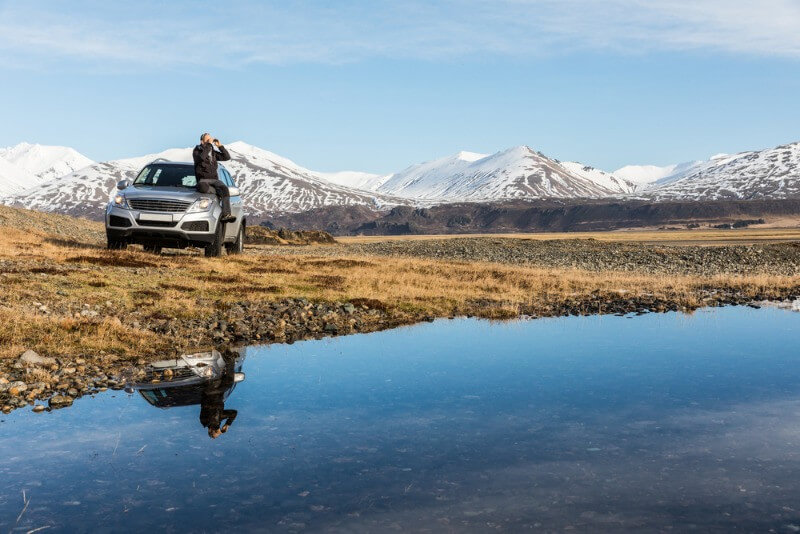
Something like a Dacia Duster or Toyota RAV4 handles most trips without drama. Step up to a Land Cruiser or Defender, and you’re dealing with a proper 4x4 that can handle Highland terrain.
What You’re Actually Getting From a 4x4
This is where it becomes real and not theory. What it actually changes once you’re on the road.
- Traction - Ice and compacted snow turn roads slippery fast. This is where a 4x4 earns its keep.
- Clearance - Gravel roads have a raised centre ridge. Low cars scrape it. These don’t.
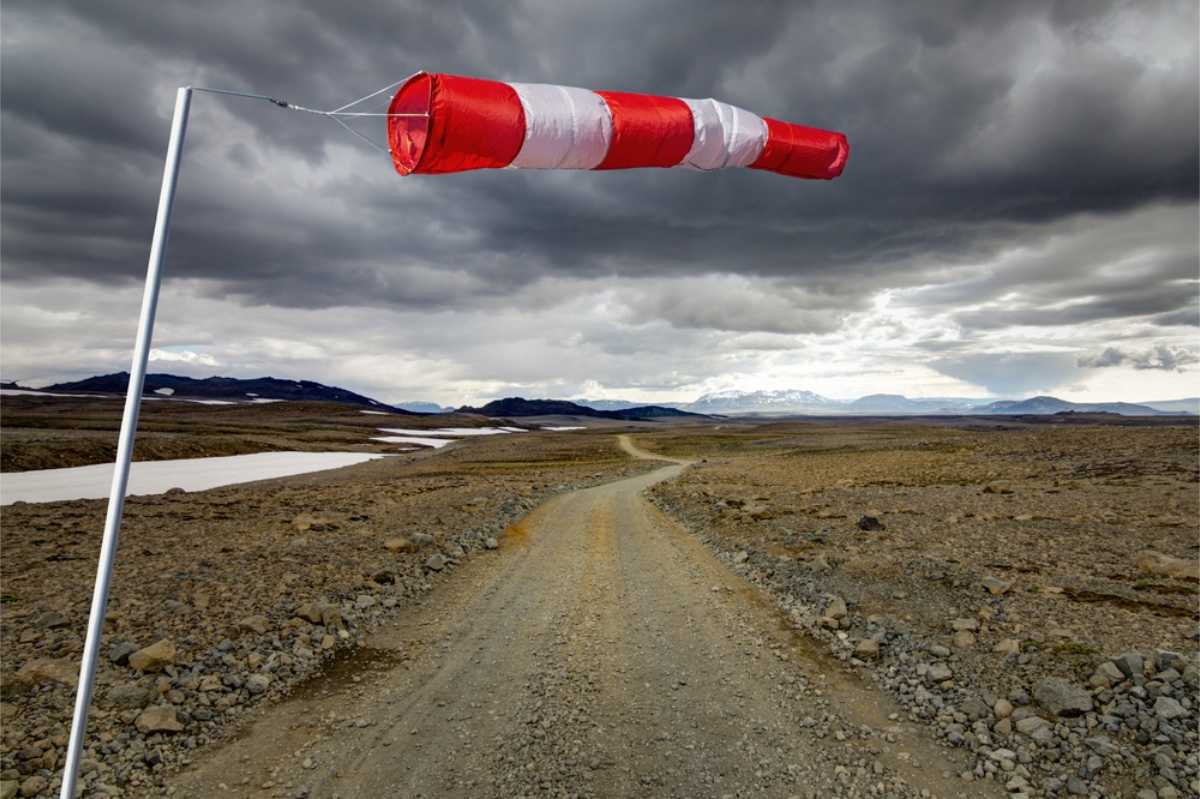
- Stability - Wind here reaches insane speeds. A 4x4 feels more planted when it does.
- Access - F-roads are closed to 2WD without any exceptions.
And just so it’s clear:
- It won’t help you brake on ice
- It won’t fix bad driving
- It won’t make river crossings safe without experience
All-Wheel Drive vs. Ground Clearance: Why Both Matter
This is where people get caught out. Not all ‘4x4s’ handle the same once the road gets rough. Some cars give you traction but sit too low. Others have clearance but still feel unstable when things get slippery. That difference shows up fast on Icelandic roads.
- Traction keeps you moving on ice, snow, and loose gravel. Without it, you’re spinning wheels.
- Clearance keeps you off the road itself. Gravel ridges, dips, and rough tracks don’t care how many wheels are powered.
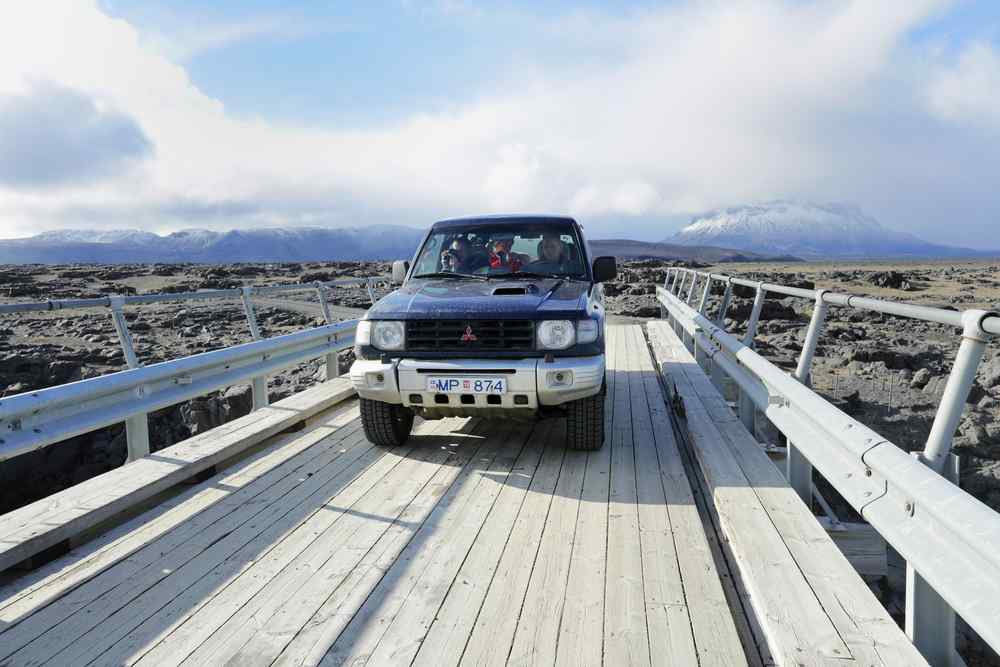
Most people only notice this after they’ve already chosen the wrong car. That’s why something like a Dacia Duster or Toyota RAV4 works so well here. You’re not just getting grip. You’re also getting a car that can actually deal with the road underneath it.
Do You Need a 4x4 in Iceland in Winter?
Do you need a 4x4 in Iceland in winter? In most cases, yes. From October to April, conditions shift fast, and even with winter tires, a 2WD starts to feel exposed. Black ice, sudden wind gusts, and snow buildup are the real problems.
A basic 4x4, like a Dacia Duster or Suzuki Vitara, gives you enough grip for most routes. If you want more stability and comfort in bad weather, a Toyota RAV4 or Kia Sportage is the safer call.
Ring Road in Winter
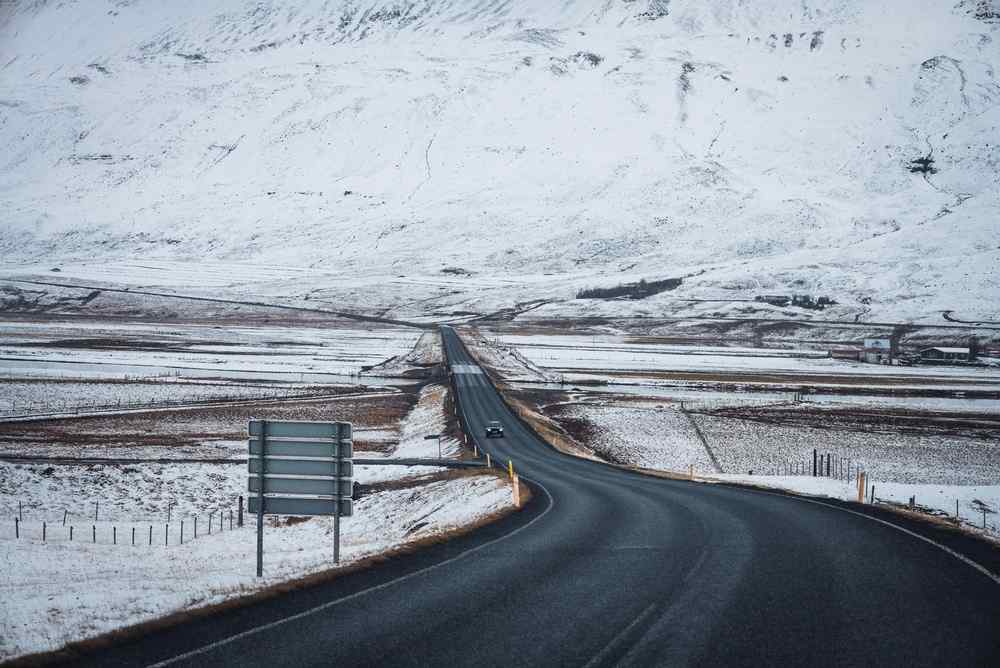
Driving in Iceland in winter on the Ring Road is manageable, but not predictable. Roads are maintained and cleared, yet conditions can change within an hour. A 2WD like an MG EHS or Dacia Jogger can work if the weather is good.
The problem is it often doesn’t. Ice patches, wind gusts, and sudden snow can turn an easy stretch into a stressful drive. A 4x4 like a Toyota RAV4, Subaru XV, or Suzuki Vitara gives you margin when things shift. That matters on long distances where you can’t just turn around.
A typical scenario, for example, is that you may find clear roads when leaving Reykjavík, then you suddenly get snow and crosswinds near Vik. That’s where you’ll thank yourself for choosing a 4x4.
Golden Circle and Reykjavik Area in Winter
Driving around Reykjavík and the Golden Circle in winter is the easiest scenario. Distances are short, and roads are maintained more consistently than the rest of the country. A 2WD is usually fine in good conditions.
Something like an MG EHS or Dacia Jogger works if the weather looks good. The catch is timing. Early mornings and evenings often mean ice, even when the roads look clear. That’s where a Dacia Duster or Suzuki Vitara makes things simpler. You’re not fighting for grip every time conditions dip slightly.
Do You Need a 4x4 in Iceland in Summer?
Do I need a 4x4 in Iceland for driving in summer? No. You don’t need a 4x4 in Iceland in summer unless you plan to leave the main roads. Driving is way easier during the summer, especially if you are driving in July.
The roads are mostly clear, and conditions are far more forgiving. The decision shifts away from safety and more towards access and comfort. Gravel still exists, and weather can still change, but you’re not dealing with winter risks.
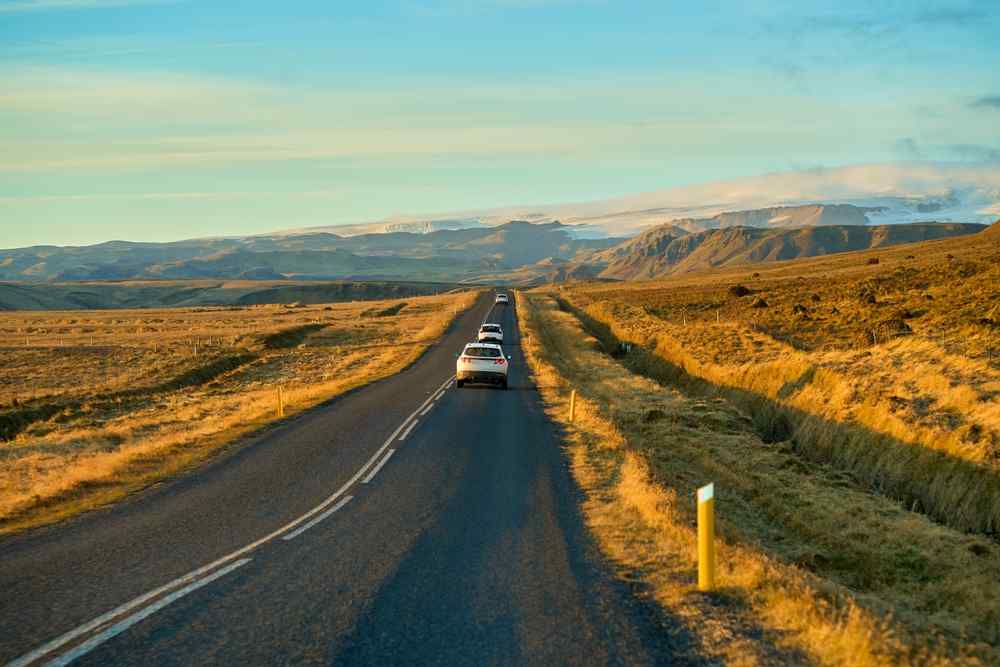
Driving the Ring Road in Summer
Driving in Iceland in summer on the Ring Road is straightforward. Most of it is paved and well-maintained. A 2WD like a Toyota Yaris, Kia Ceed, Hyundai i20, or Opel Corsa Crossland is more than enough for this route. That’s what most people use.
Where a 4x4 starts to make sense is comfort. Long days, crosswinds, and occasional gravel detours add up. Cars like the Toyota RAV4, Kia Sportage, or Subaru XV handle those shifts better.
If you’re doing a full loop, something like a Mitsubishi Eclipse Cross Hybrid keeps fuel costs down over distance.
Driving F-Roads and the Highlands
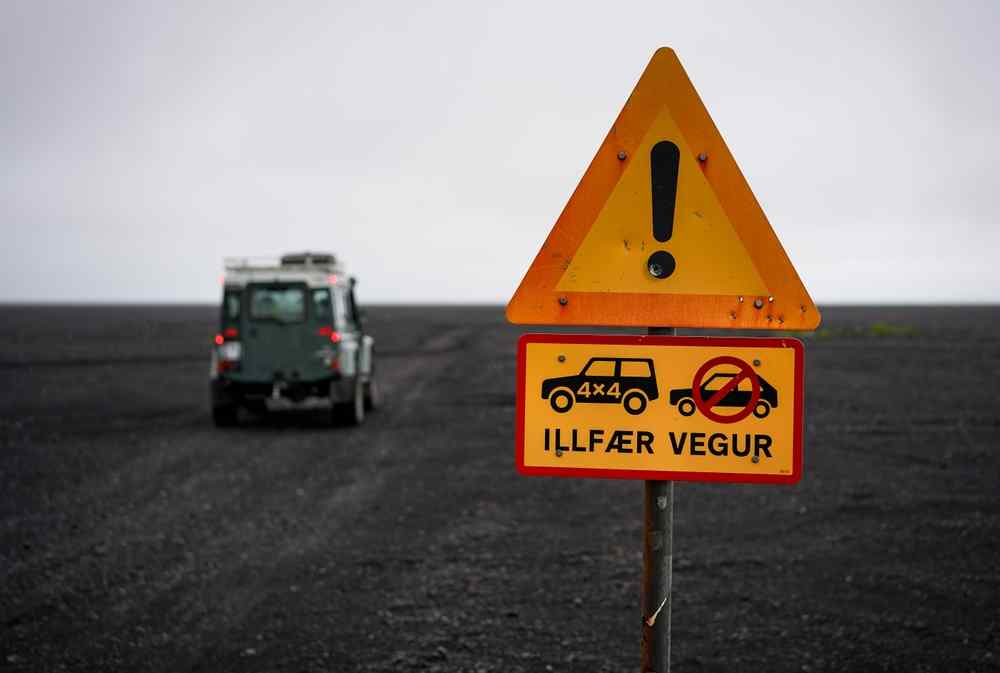
This is not optional. You need a 4x4. F-roads are legally restricted to 4WD vehicles only. These are not normal roads. You’re dealing with loose rock, uneven terrain, and river crossings.
Vehicle choice matters:
- Entry-level - Dacia Duster, Suzuki Jimny for easier F-roads
- Mid-range - RAV4, Jeep Compass, Kia Sportage
- Serious terrain - Land Cruiser, Defender, Wrangler Rubicon
Important: a small 4x4 does not mean you can go everywhere. Some routes require clearance, experience, and the right conditions.
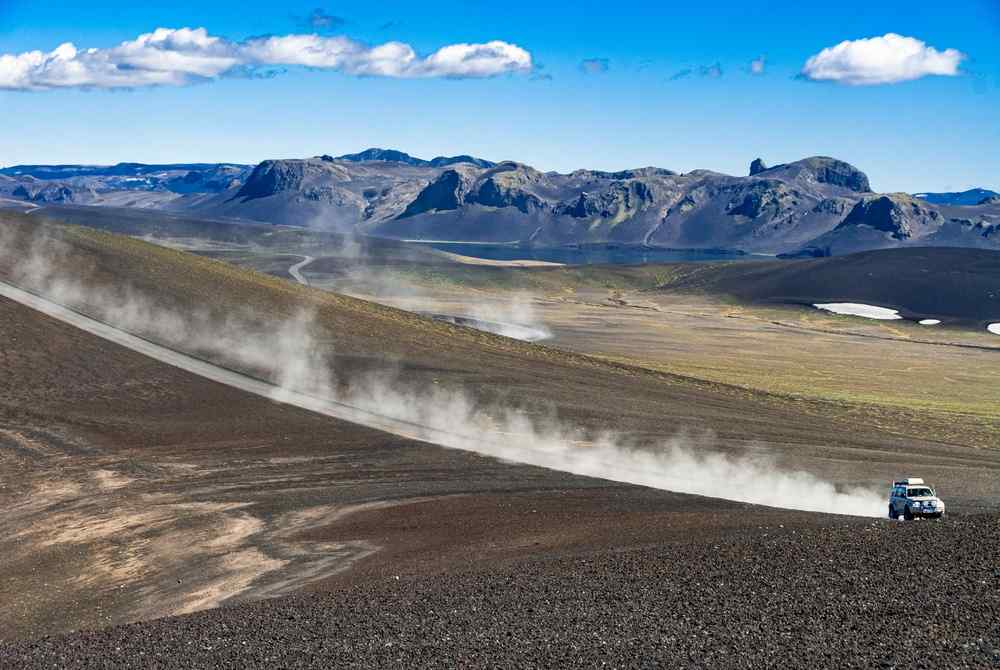
Westfjords and Gravel Roads
This is where people misjudge Iceland. You can do the Westfjords in a 2WD. Plenty of people do. But long gravel stretches and narrow roads will wear you down quickly. A car like a Toyota Yaris or Kia Ceed will get you there.
It just won’t be comfortable. A Suzuki S-Cross, Subaru XV, or Vitara makes a noticeable difference. You’re not fighting the road the entire time. This is usually where people regret choosing the cheapest option.
When Is a 2WD Car Enough in Iceland?
A 2WD is enough in Iceland if you keep your trip to the usual routes and don’t get ambitious halfway through. It works best in summer, but it can still work in winter if you stay on maintained roads and accept that weather may force changes.
Cars like a Toyota Yaris, Kia Ceed, or Skoda Octavia handle this setup without issues.
A 2WD makes sense if:
- You’re staying around Reykjavík and nearby towns
- You’re driving popular paved routes like the Golden Circle or Blue Lagoon
- You’re heading along the main South Coast or Snæfellsnes, not into the Highlands
- You’re willing to change plans if conditions turn
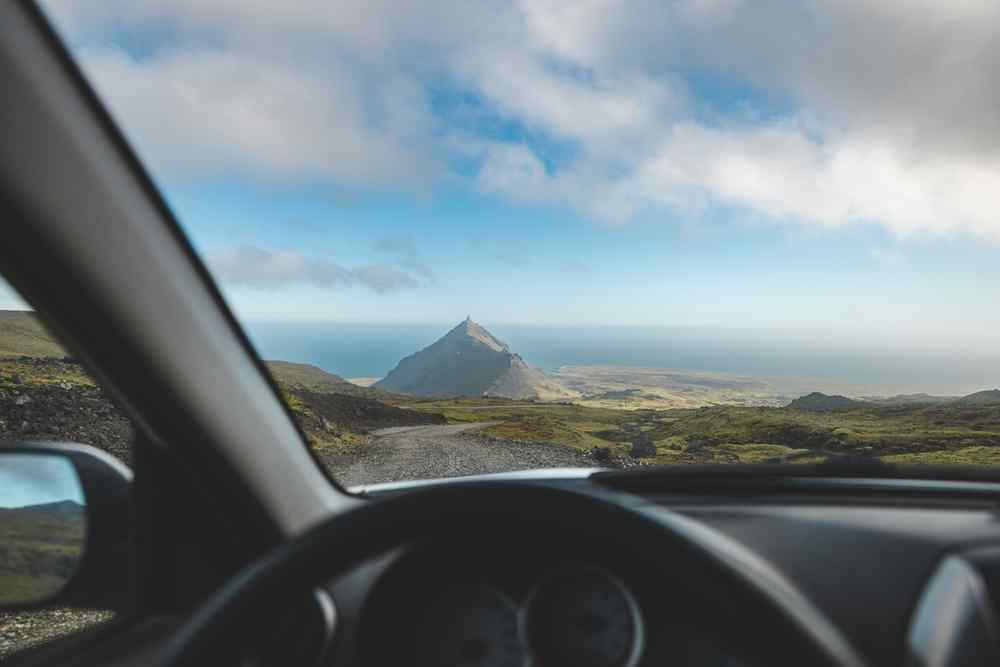
What About River Crossings?
Do I need a 4x4 in Iceland if I plan to do river crossings? Obviously! This is also where most serious damage happens. Rivers in the Highlands are not fixed. Depth changes daily depending on rain, snowmelt, and time of day.
What looks shallow can turn into a stalled engine in seconds. Vehicle matters, but only to a point. A Dacia Duster or Suzuki Jimny can handle smaller crossings, but they have clear limits.
A Land Cruiser or Defender gives you more margin, not immunity. The rule is simple. If you’re unsure, don’t cross. One more thing people miss. Water damage is not covered by ANY rental insurance. If you get it wrong, the cost is yours.
The Best 4x4 Rental Cars in Iceland by Budget
By this point, you should already know if you need a 4x4 in Iceland or not. Now comes the time for picking the right one without overpaying or underestimating your trip.
Budget-Friendly 4x4s
This is where most people should be looking. You get real capability without paying for things you won’t use. Our Dacia Duster is one of our most popular models for a reason. It’s the best value 4x4 in Iceland.
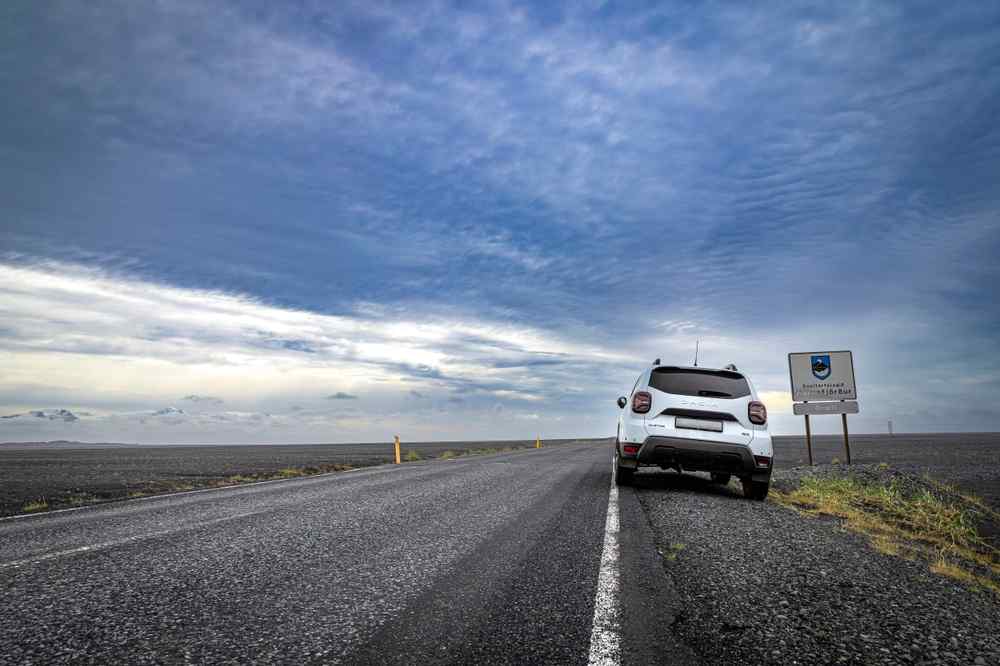
It handles gravel, winter roads, and even easier F-roads without turning the trip into hard work. For most itineraries, it’s enough. Then we have the Suzuki Jimny. This little beast is more capable off-road, but much smaller. Realistically, it works for two people with limited luggage. It’s great on rough tracks, but less comfortable on long drives.
These cars make sense if you’re travelling on a budget but still want access beyond the main roads. They’re ideal for light Highlands routes, mixed road conditions, and anyone who wants flexibility without jumping into higher rental costs.
Mid-Range 4x4s
This is the sweet spot for most trips. You’re not just getting capability, you’re getting comfort over distance. The Toyota RAV4 and Kia Sportage handle long drives properly. Stable on paved roads, confident on gravel, and far less tiring over a full Ring Road loop.
The Subaru XV and Jeep Compass sit in the same space. Good balance, predictable handling, and enough clearance to deal with rougher sections without feeling out of place. This category works when your trip isn’t limited to one type of road.
You’re mixing paved routes, gravel detours, and possibly easier Highlands sections. You’re not pushing extreme terrain, but you also don’t want to second-guess every road you take.
Premium 4x4s for the Highlands
This is where you stop compromising. These are built for terrain that smaller 4x4s struggle with. Our Toyota Land Cruiser and Land Cruiser 250 are the standard for Highland travel. They are extremely reliable, have high clearance, and are stable in almost any weather condition.
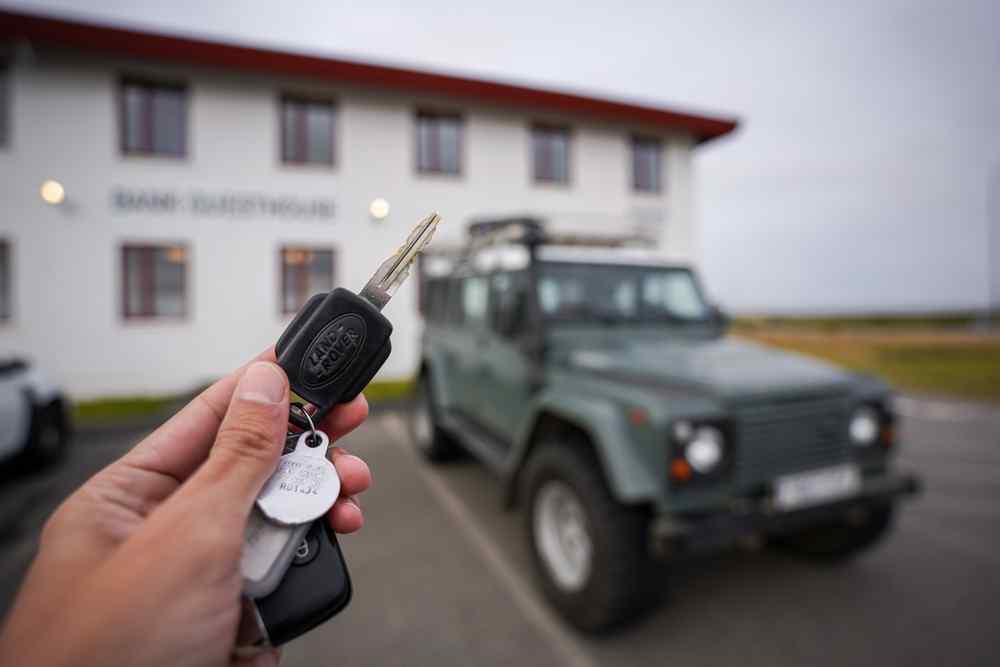
The Land Rover Defender offers the same capability with more refinement, while the Jeep Wrangler Rubicon leans more toward serious off-road use. All three are designed for difficult tracks, not just gravel roads.
This category makes sense if you’re heading deep into the Highlands, dealing with rough terrain, or planning routes that include river crossings and uneven tracks. Sure, they are expensive. There’s no denying that. But on the right routes, they are justified.
4x4 vs. 2WD: Quick Decision Guide
If you’re still unsure which car to choose in Iceland, here is a simple answer:
You need a 4x4 if:
- You’re travelling in winter
- You plan to drive F-roads or enter the Highlands
- You’re heading to the Westfjords or long gravel routes
- You want flexibility when conditions change
You don’t need a 4x4 if:
- You’re travelling in the summer only
- You’re sticking to the Ring Road, Golden Circle, and main routes
- You have a fixed itinerary and won’t push beyond it
FAQs About Whether You Need a 4x4 in Iceland
Can I take a Reykjavik Cars 2WD on F-roads?
No. F-roads are restricted to 4x4 vehicles only. If you take a 2WD there, you’re fully liable for any damage or recovery costs.
Does Reykjavik Cars insurance cover river crossings?
No. Water damage is not covered under CDW or extended insurance. If you damage the car in a river, the cost is yours.
What happens if I damage the underside on gravel roads?
It’s not covered. Damage to the underside, suspension, or chassis from rough roads is your responsibility, even with insurance.
Can I rely on upgrading to a 4x4 at pickup?
Not safely. Vehicle availability depends on demand, and you may get a similar or higher class car, not necessarily a 4x4.
Are gravel roads covered by insurance?
Only partially. Gravel Protection helps with paint, windscreen, and headlights, but not mechanical damage underneath.
Is a 4x4 required for roads like Kjölur (Road 35)?
Yes. Certain mountain routes are explicitly restricted to suitable 4x4 vehicles, and using the wrong car can result in penalties.
What’s the biggest mistake people make with rental cars in Iceland?
They assume insurance covers everything. It doesn’t. Rivers, rough roads, wind damage, and driver error are common gaps. We recommend you take out some extra insurance for peace of mind.
Do I need a 4x4 in Iceland if I want full flexibility?
Yes. If you don’t want to plan around road restrictions, weather changes, or route limits, a 4x4 removes most of those obstacles.