 By
By
Iceland has several road tunnels built to shorten coastal routes and bypass mountain passes, and most travelers driving the Ring Road or exploring North Iceland will pass through a few of them.
Tunnels in Iceland are normal parts of the road network. The only practical details drivers usually need to understand are the single toll tunnel near Akureyri and a few older single-lane tunnels found mainly in the Westfjords and parts of the north.
This guide explains where tunnels appear on common routes, how they affect driving distances, and what rental car drivers should know before entering them.
Why Tunnels Are Essential for Driving in Iceland
Tunnels are essential for driving in Iceland because they cut through mountains and fjords that would otherwise force long detours or steep mountain crossings. In many parts of the country, especially the north and east, tunnels are simply the fastest and safest way to move between towns.
Iceland’s landscape is dramatic but not particularly convenient for road building. Fjords carve deep into the coastline, mountains divide regions, and older roads often climbed exposed passes or followed narrow coastal cliffs.
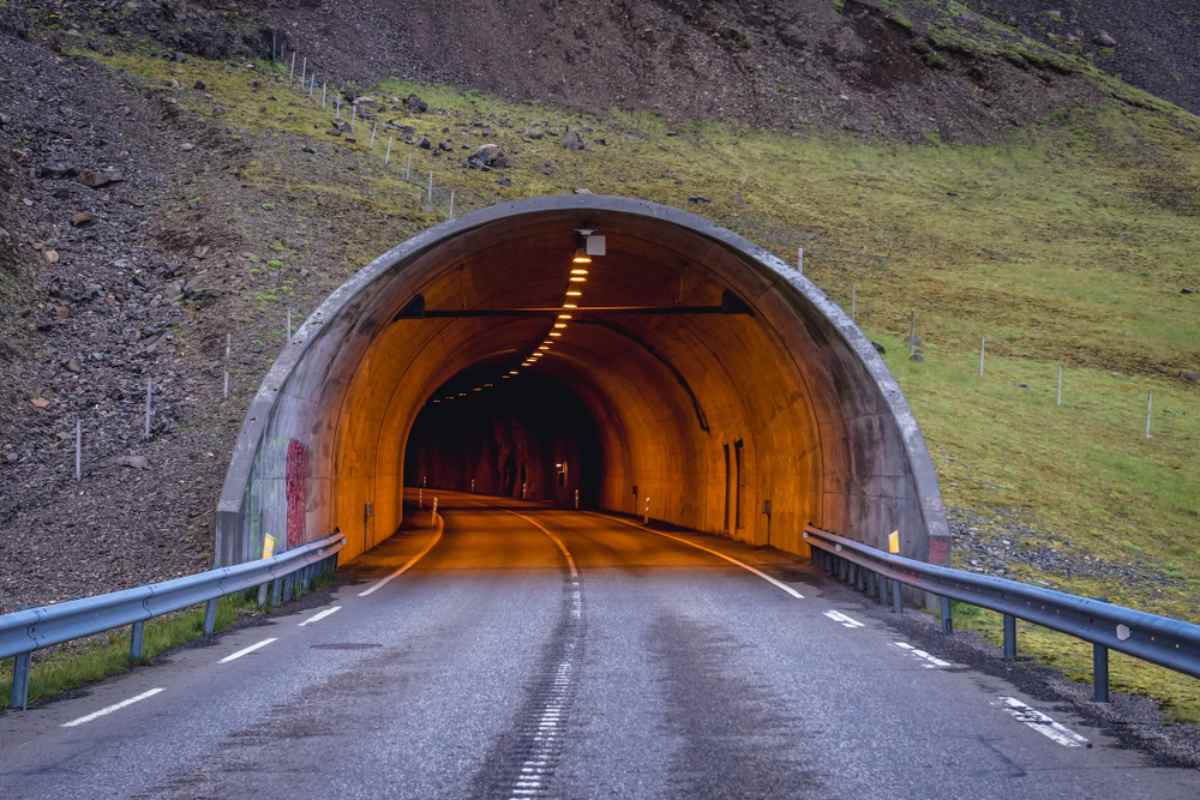
Tunnels solve several practical problems. First, they shorten routes dramatically. The Vaðlaheiðargöng tunnel near Akureyri reduces the drive toward Húsavík by about 16 km (10 mi). The Hvalfjörður tunnel also removes the long loop around the fjord north of Reykjavík and can save close to an hour when heading toward North Iceland.
Second, tunnels improve winter reliability. Mountain passes regularly close due to snow and strong winds, while tunnels remain open year-round. They also make coastal travel safer. Many older roads were exposed to rockfalls, avalanches, or narrow cliff sections that modern tunnels now bypass entirely.
How Many Road Tunnels Are There in Iceland?
According to Vegagerðin, the Icelandic Road and Coastal Administration, the country currently has 12 road tunnels with a combined length of about 64 km (40 mi). Most of these tunnels are located in North Iceland, East Iceland, and the Westfjords, where mountains and fjords make direct road connections difficult.
Visitors driving along the Ring Road will encounter a few tunnels, but not many. Most folks pass through two to five tunnels during a typical self-drive trip, usually when traveling north of Akureyri or exploring the eastern fjords.
More remote regions rely on tunnels far more heavily. Areas like the Westfjords and the Tröllaskagi peninsula depend on them to connect small coastal towns that were once separated by slow mountain passes or long fjord detours.
Several newer tunnels have also replaced older and more difficult mountain roads. Projects such as Vaðlaheiðargöng, opened in 2018 near Akureyri, were built to improve year-round access and make travel between northern towns more reliable.
|
Tunnel |
Length |
Region |
Single or Dual Lane |
Toll |
|
Hvalfjörðargöng |
5,770 m (3.6 mi) |
West Iceland |
Dual |
No |
|
Vaðlaheiðargöng |
7,400 m (4.6 mi) |
North Iceland |
Dual |
Yes |
|
Norðfjarðargöng |
7,910 m (4.9 mi) |
East Iceland |
Dual |
No |
|
Vestfjarðagöng |
9,160 m (5.7 mi) |
Westfjords |
Mixed |
No |
|
Fáskrúðsfjarðargöng |
5,900 m (3.7 mi) |
East Iceland |
Dual |
No |
Map of Tunnels in Iceland for Road Trips
The map below gives you a quick overview of the Icelandic tunnel network before you start driving. Instead of being surprised when the road suddenly disappears into a mountain, you can see exactly where tunnels appear across the country’s main routes.
If you want a broader overview of how roads are laid out across the island, it also helps to look at a map of Iceland, which shows how tunnels connect different regions of the national road network.
Major Tunnels in Iceland You May Drive Through
These are likely to be the tunnels you are most likely ro encounter on your trip.
Hvalfjörður Tunnel (Hvalfjarðargöng)
Leaving Reykjavík and heading north, the Hvalfjörður Tunnel connects the capital region directly with Borgarnes and West Iceland. The tunnel runs under Hvalfjörður fjord and removes the long coastal drive around it.
At 5.7 km (3.5 mi) long, it saves roughly 45 minutes of driving time and forms part of the main route toward Snæfellsnes, West Iceland, and the northern section of the Ring Road. The tunnel no longer charges a toll.
Vaðlaheiðargöng Tunnel
Just east of Akureyri, the Vaðlaheiðargöng tunnel bypasses the steep Víkurskarð mountain pass, which was often affected by snow, wind, and poor visibility.
The tunnel is 7.4 km (4.6 mi) long and shortens the drive between Akureyri and Húsavík by about 16 km (10 mi). It improves reliability for travel across North Iceland, especially in winter.
This is currently the only road tunnel in Iceland that charges a toll, which must be paid online after passing through.
Héðinsfjarðargöng
The Héðinsfjarðargöng project links Siglufjörður and Ólafsfjörður on the Tröllaskagi Peninsula. The connection consists of two tunnels separated by a short valley road.
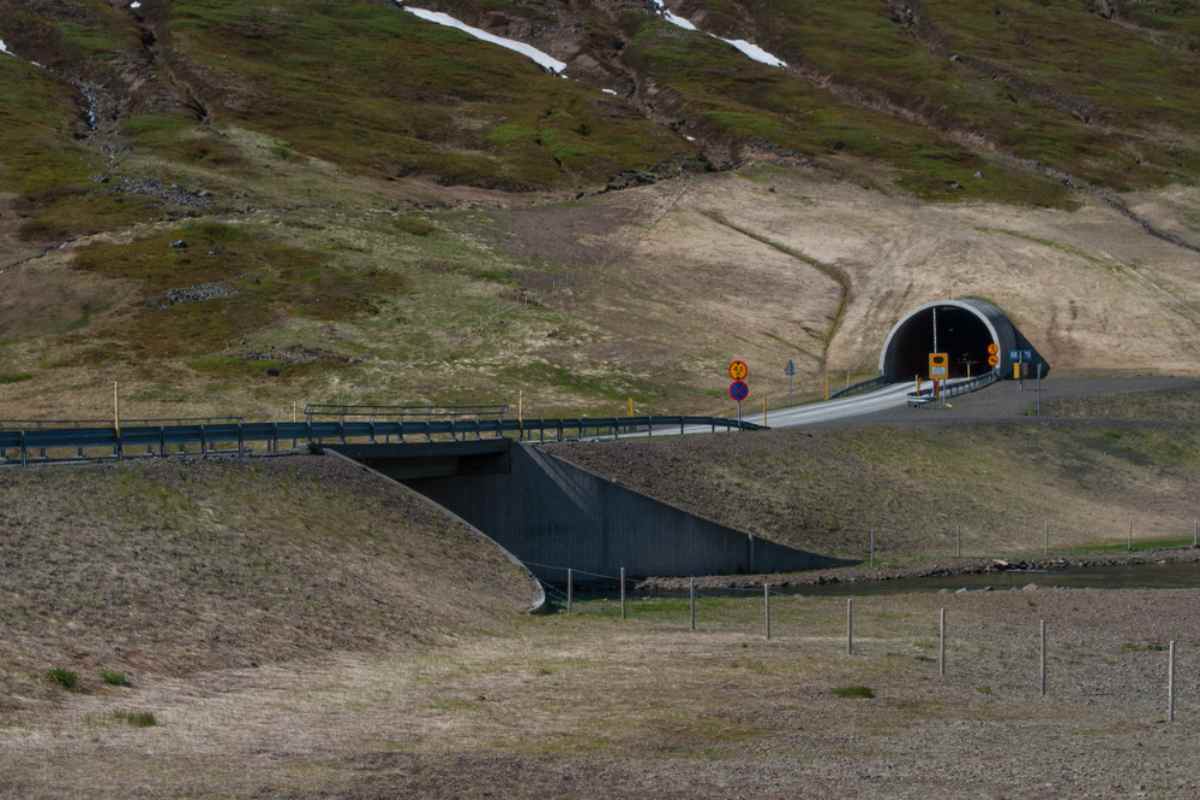
Before construction, reaching Siglufjörður required a long mountain detour. The tunnels created a direct connection between the towns and made the northern coastal route far easier to drive year-round.
Norðfjarðargöng
In East Iceland, the Norðfjarðargöng tunnel connects Eskifjörður and Neskaupstaður. The 7.9 km (4.9 mi) tunnel opened in 2017 and replaced an older mountain road that crossed exposed terrain.
It now provides a safer and more reliable link between the two fjord communities.
Fáskrúðsfjarðargöng
The Fáskrúðsfjarðargöng tunnel connects Reyðarfjörður and Fáskrúðsfjörður in the East Fjords. At 5.9 km (3.7 mi) long, it replaces a steep mountain road between the fjords and allows traffic to travel directly through the mountain.
Toll Tunnels in Iceland: What Rental Car Drivers Must Know
If you are renting a car in Iceland, there is only one road tunnel where you need to pay a toll. That tunnel is Vaðlaheiðargöng, located just east of Akureyri in North Iceland. Iceland previously had more toll tunnels, but today this is the only one still operating with a toll system.
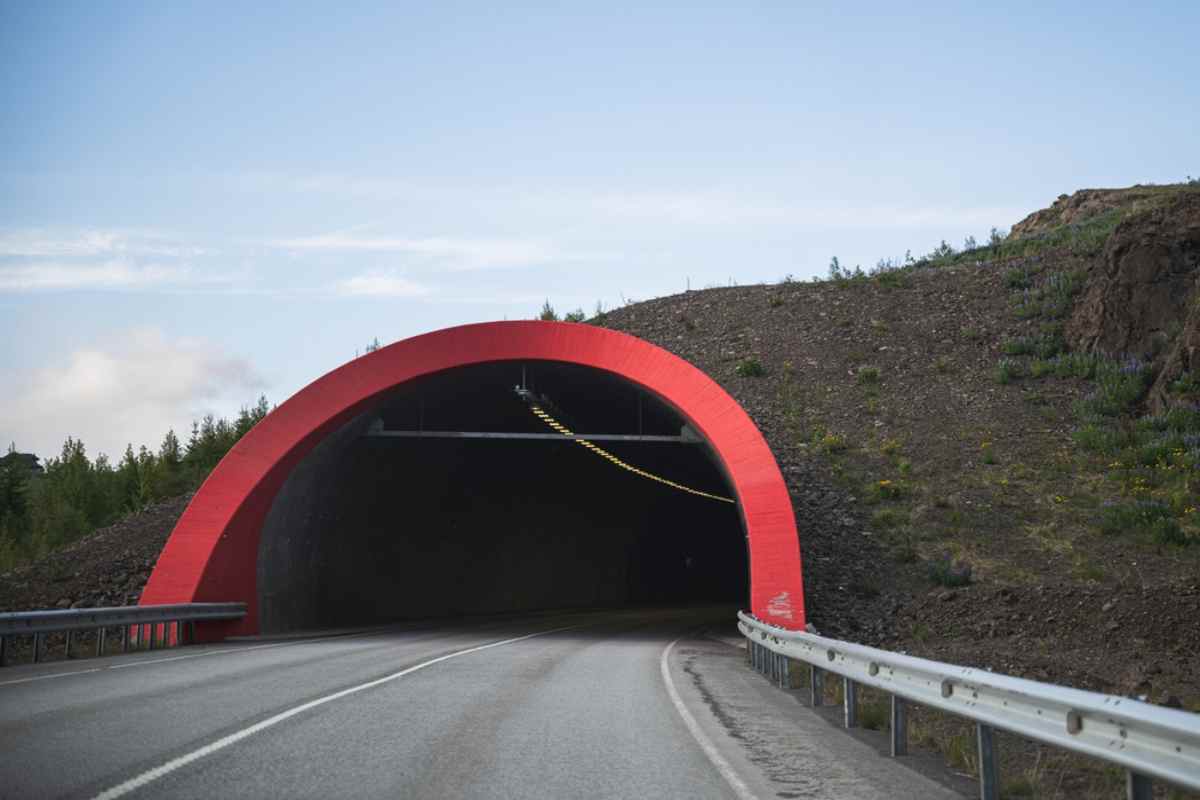
When you drive through the tunnel, you will not see toll booths, barriers, or payment machines. Traffic flows normally through the tunnel. Instead, the system uses automatic license plate recognition cameras that record every vehicle entering.
Because there is no payment point at the entrance, many drivers do not even realize they have passed through a toll tunnel. The toll for a standard passenger car is usually around 1,500 ISK (about $12 USD) per trip.
If your route includes driving between Akureyri, Húsavík, Lake Mývatn, or the northeastern part of Iceland, there is a good chance you will pass through this tunnel. If you want a full overview of how toll systems work across the country, see our guide to Navigating Iceland Toll Roads.
How to Pay Tunnel Tolls with a Rental Car
After passing through the Vaðlaheiðargöng tunnel, you must pay the toll online using the license plate number of your rental car. Drivers normally have up to 24 hours to complete the payment. The process takes only a minute and can easily be done from your phone.
If the toll is not paid within that time window, the tunnel operator sends the charge to the registered owner of the vehicle, which is the rental company. The rental company will then charge the toll to you and may add an administrative processing fee for handling the payment.
To avoid this, it is best to pay the toll shortly after passing through the tunnel. It prevents additional fees and keeps your rental process straightforward. Once tolls are out of the way, the next thing drivers should understand about Icelandic tunnels is how single-lane tunnels work, which follow a different set of driving rules.
Single Lane Tunnels in Iceland: Rules and Driving Tips
Not all tunnels in Iceland are modern two-lane highways. In more remote regions, you will occasionally encounter single-lane tunnels, where traffic in both directions shares one narrow lane.
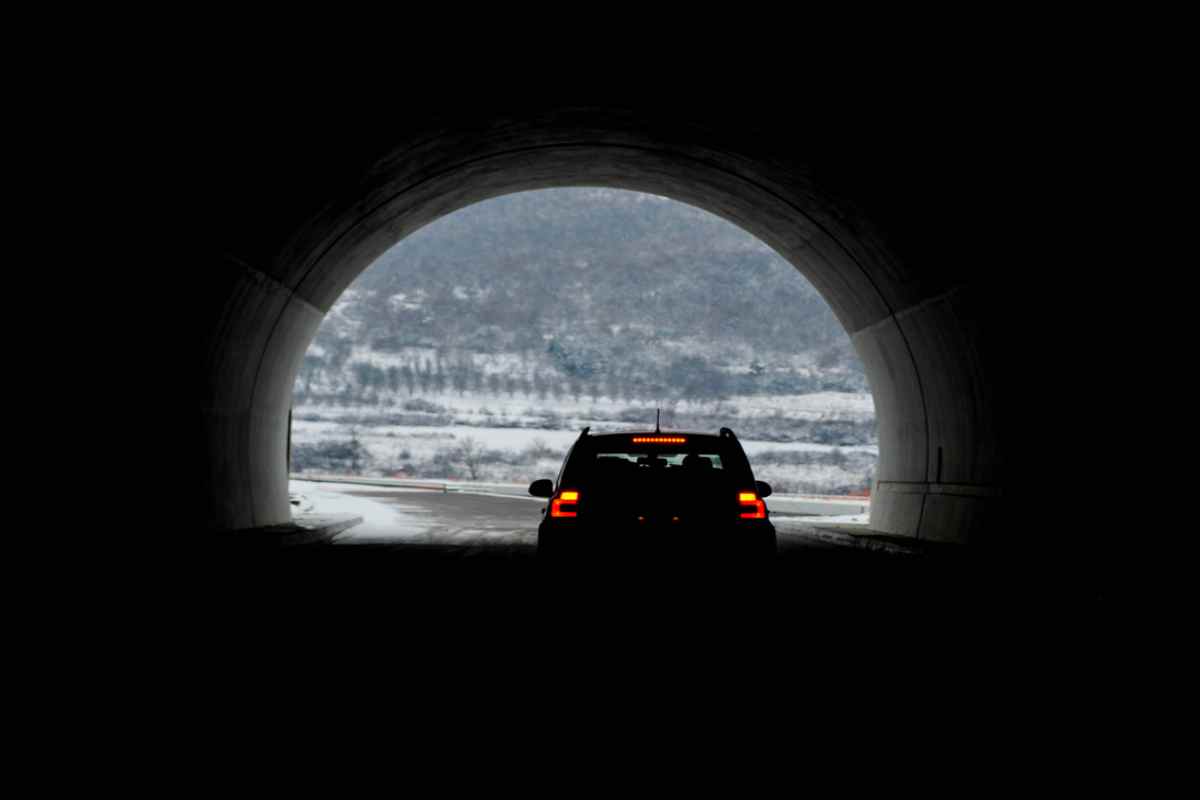
These tunnels are mostly found in rural parts of the country, especially the Westfjords and some older tunnels in North Iceland. Instead of two lanes, the tunnel has passing bays built into the wall every 100-150 meters (110-165 yd). The rule is simple. The vehicle closest to a passing bay pulls in and lets the oncoming car pass.
Speed limits inside these tunnels are usually 30-50 km/h (19-31 mph) and are clearly posted at the entrance. You should drive slowly, keep your headlights on, and stay alert for approaching vehicles.
The important thing is never to stop in the driving lane. Only pull over in a marked passing bay when needed. Drivers exploring areas like the Westfjords or the Tröllaskagi peninsula are most likely to encounter these tunnels.
Single Lane Tunnel Driving Rules
|
Situation |
What You Should Do |
|
Oncoming car visible |
Slow down and assess the nearest passing bay |
|
Passing bay on your side |
Pull into the bay and allow the other vehicle to pass |
|
Passing bay on opposite side |
Continue slowly while the other driver yields |
|
Multiple vehicles approaching |
Allow the entire line of cars to pass before leaving the bay |
Safety Inside Icelandic Tunnels
Driving through an Icelandic tunnel is usually one of the easier parts of the road. The tunnels are paved, well-maintained, and designed for normal highway traffic. Most drivers find the actual tunnel section predictable and straightforward.
The key is to follow the posted limits, maintain a safe distance from other vehicles, and stay alert near tunnel entrances. Conditions can change quickly when approaching or leaving the tunnel, especially in windy or icy weather.
Speed Limits, Lighting, and Cameras
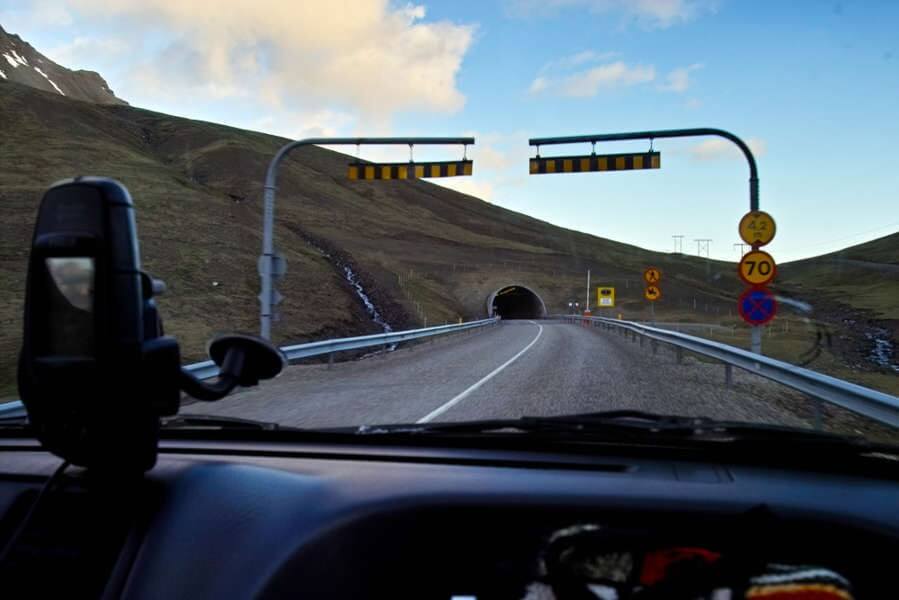
Speed limits inside most tunnels in Iceland are 70 km/h (43 mph) or lower, and some tunnels reduce the limit further depending on their design. Single lane tunnels often drop to around 50 km/h (31 mph).
Lighting inside the tunnels in Iceland adjusts automatically, so visibility remains consistent whether you enter during the day or at night. Larger tunnels also have monitoring systems and cameras that track traffic and detect incidents.
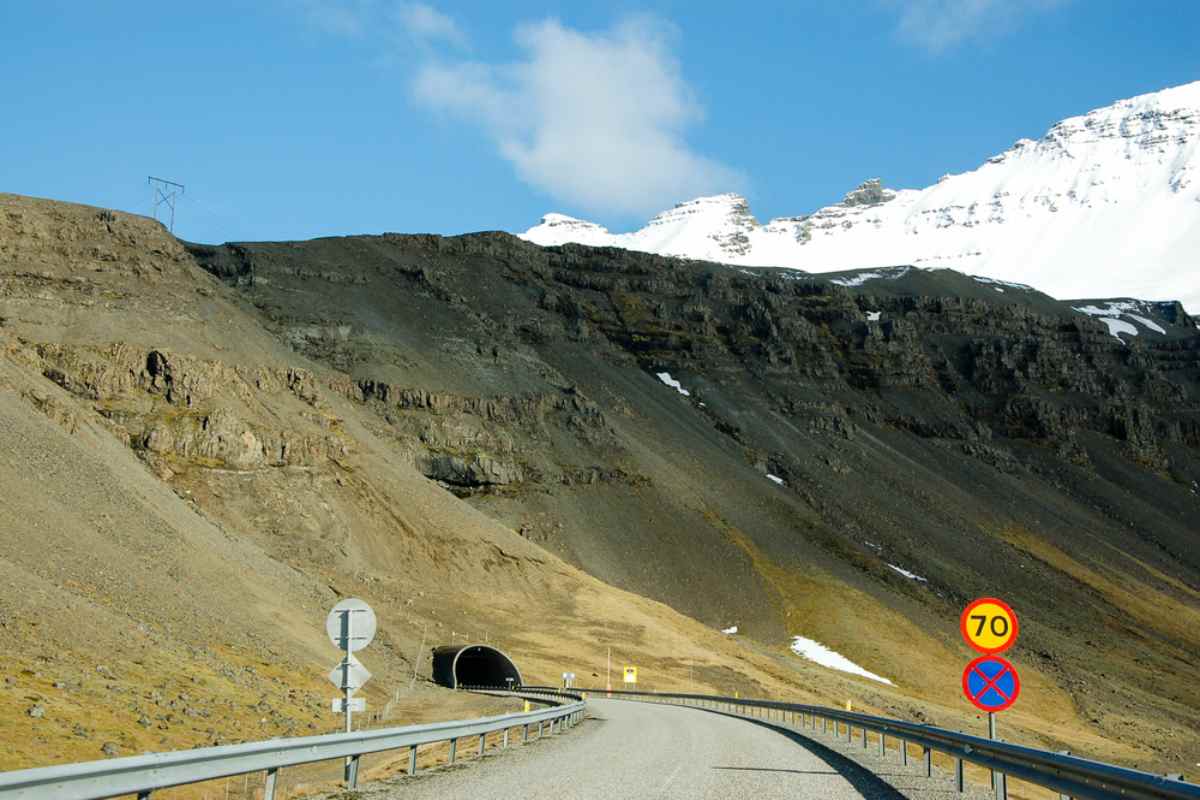
You should drive much like you would on a highway, just slower. Keep at least a two to three-second following distance from the car in front of you so you have time to react if traffic slows or stops.
Weather, Visibility, and Winter Driving
The biggest risks usually appear outside an Icelandic tunnel, not inside it. Strong wind, snow buildup, or icy patches are most common near tunnel entrances and exits.
Drivers also notice a sudden lighting change when entering or leaving a tunnel. Slowing slightly before entering helps your eyes adjust.
During the winter months, proper tires make a big difference. When you rent with us, we equip all our vehicles with winter tires during the colder season, which helps maintain grip on icy or snow-covered roads. Once inside the tunnel, road conditions are usually stable and clear.
Planning Your Iceland Road Trip with Tunnels in Mind
Tunnels in Iceland usually make road trips easier, not more complicated. They shorten long fjord detours and allow drivers to travel directly through mountains that would otherwise require slow coastal or mountain routes.
Because of this, navigation apps already include tunnels when calculating travel times. In regions like North Iceland or the East Fjords, some routes depend entirely on tunnels to connect towns that would otherwise require long mountain drives.
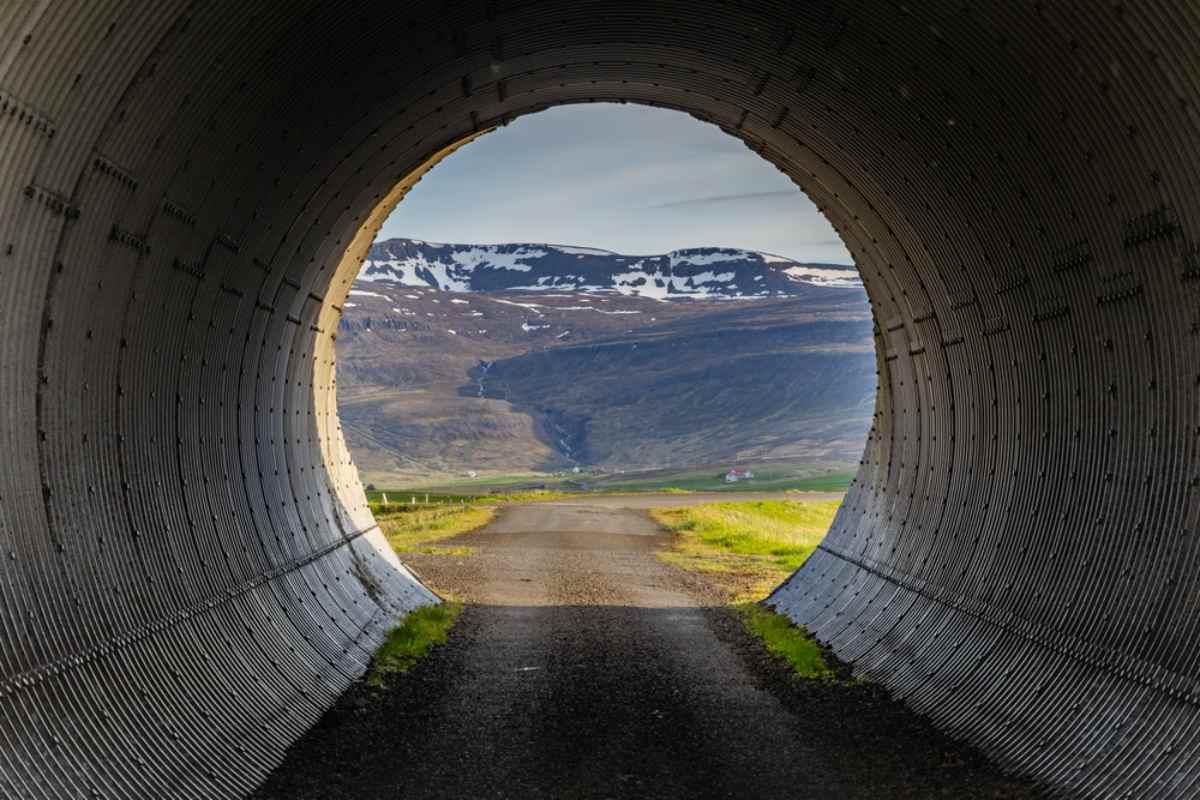
What matters more is the overall route you plan to drive outside the tunnel.
If you are sticking to the Ring Road or other paved routes, economy cars handle tunnel driving easily. For trips into more remote fjord regions or winter travel, SUVs or 4×4 vehicles can be more comfortable depending on road conditions.
Reykjavík Cars offers a range of vehicle options, including economy cars, SUVs, and larger vehicles, allowing you to choose based on your route and travel season rather than the tunnels themselves.
FAQs About Tunnels in Iceland
Are tunnels common in Iceland?
Yes. Iceland has 12 road tunnels totaling about 64 km (40 mi). Most drivers encounter several, especially on the Ring Road in North Iceland, or when exploring the East Fjords and Westfjords.
Are the tunnels in Iceland safe to drive through?
Yes. Tunnels are paved, well-lit, and monitored. Driving rules are straightforward. Most incidents occur outside tunnel entrances, where wind, ice, or snow may affect road conditions.
Do I need to stop to pay tolls?
No. The only toll tunnel, Vaðlaheiðargöng, uses license plate cameras. You drive through normally and pay online afterward using the vehicle’s plate number.
Are tunnels included on Google Maps routes?
Yes. Google Maps and other navigation apps automatically include tunnels when calculating routes and travel times, so you do not need to plan around them manually.
Are there tunnels on the Ring Road?
Yes. Several tunnels connect fjords and mountain sections along or near the Ring Road, particularly in North Iceland and the eastern fjord regions.
Are tunnels open in winter storms?
Usually yes. Tunnels remain open even when nearby mountain roads close due to snow or wind. However, severe weather can still affect entrances or connecting roads.
What Drivers Should Know About Tunnels in Iceland Before a Road Trip
Driving through tunnels in Iceland is simply part of traveling the country by road. The network helps shorten routes across fjords and mountains, and most drivers will pass through several during a typical trip.
Once you understand the basics, such as the single toll tunnel and how single lane tunnels operate, there is very little uncertainty. In practice, tunnels in Iceland are well-maintained and easy to drive through.
The more important decision is choosing the right vehicle and planning your route carefully. With proper preparation, our tunnels become just another routine part of exploring the island by car.