 By
By
Electric vehicles have become popular worldwide for their eco-friendliness and fuel savings. So, you may wonder, do you recommend an electric car in Iceland? While your comfort level definitely plays a role, there are good reasons to consider an electric car rental in Iceland. Not only will you save money by eliminating costly fill-ups, but you'll also feel confident that you’re making an eco-friendly choice to help protect Iceland and its environment.
Is an Electric Car Useful in Iceland?
If you’re evaluating renting an electric car for your Iceland trip, this is the most critical answer. In this article, you’ll discover:
- Is it useful? Yes, especially on main routes.
- Best areas: Ring Road, South Coast, Snæfellsnes.
- Not ideal for: The Westfjords, Highlands, remote areas.
- Charging availability: Good on main routes, but limited in other areas.
- Cost savings: 30-40% cheaper than fuel cars.
- Parking advantages: Some free and priority spots.
- Ease of use: Easy, but requires planning.
- Weather impact: 20-30% less range in high winds and cold temperatures.
In the end, the decision to rent an electric vehicle is a personal one, but if you’re planning a simple road trip, it can be an excellent option to save money and enjoy a new experience.
Are There Enough Charging Points in Iceland to Travel Without Stress?
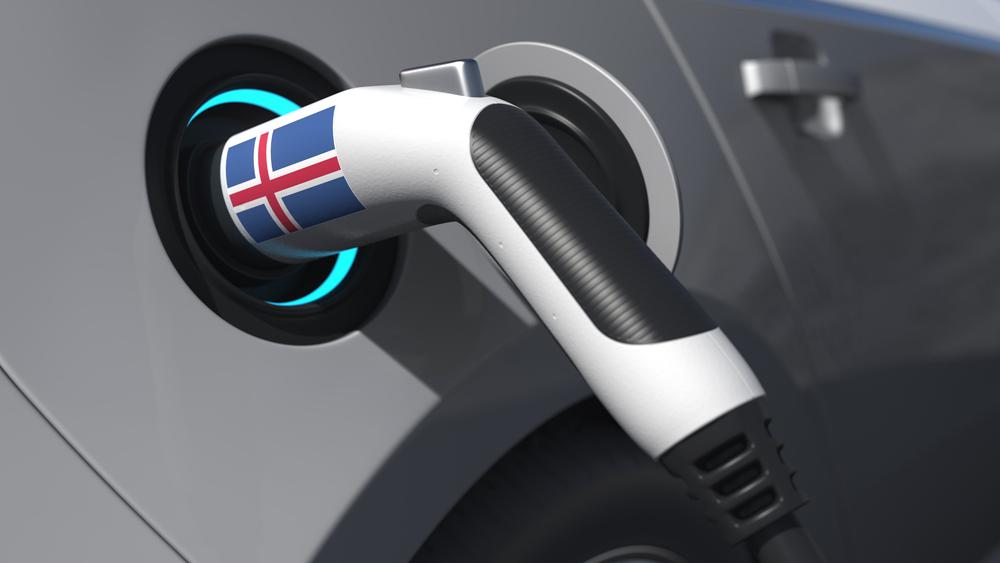
The biggest concern we hear is whether there are enough charging points to make it worth renting an electric car. The good news is that more locals are relying on electric cars, which means there’s a good network of charging stations already built up, primarily in the city and along the main routes.
Iceland has a fairly extensive network of EV charging stations throughout the country. However, in some places, there may be limited options, requiring you to plan carefully. You will also find a variety of regular and fast chargers. On a full charge, you should be able to easily get to your next destination without running out of power.
Where Are the Charging “Gaps” Outside Reykjavík?
Reykjavík understandably has the largest network of EV charging stations. With a majority of the Icelandic population living in this area, it’s no surprise that the biggest concentration of chargers is found here. As you travel beyond the city, the network becomes more spaced out. While chargers are typically located in convenient places, there are gaps in the system.
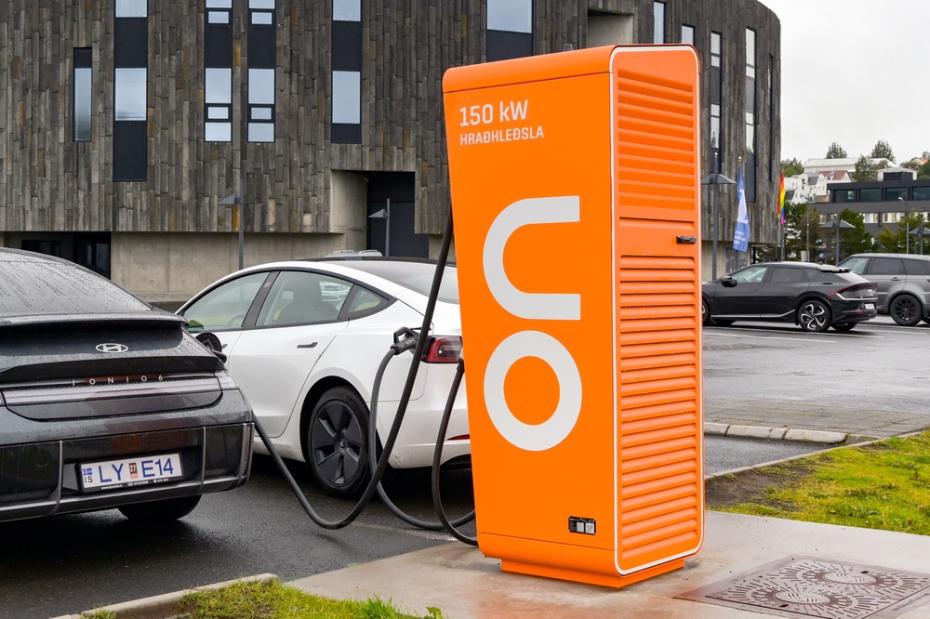
There are a few specific areas of Iceland that have a charging gap you must plan for.
- Eastfjords: Towns here are further apart with little to no services between them. Some places may only have one charging station available.
- Westfjords: The Westfjords is one of the most remote regions of Iceland. Beyond the towns, chargers are sparse, and drives are long.
- Northeast Iceland: Between Egilsstaðir and Lake Mývatn, there is a long stretch of the Ring Road with almost no services, including fuel and charging stations. Plan accordingly before making this drive.
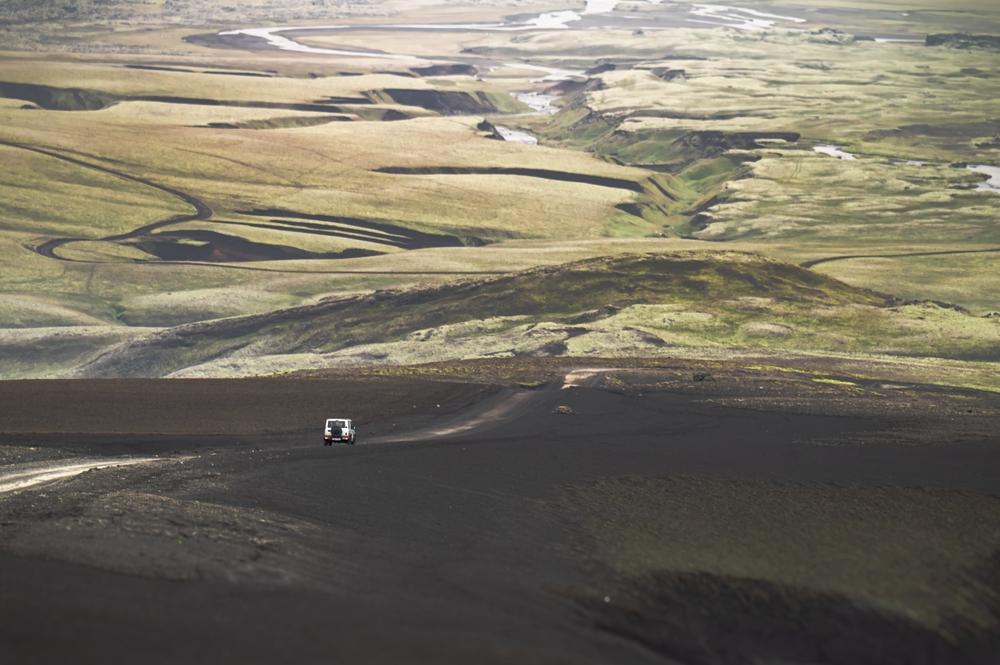
- Highlands: Like fuel stations, the Highlands isn’t a place to find a charging station for your electric car. However, it isn’t recommended to take an electric car due to the 4x4 requirement and rough roads.
How Long Does It Really Take to Charge an Electric Car in Iceland (AC vs. Fast Charging)?
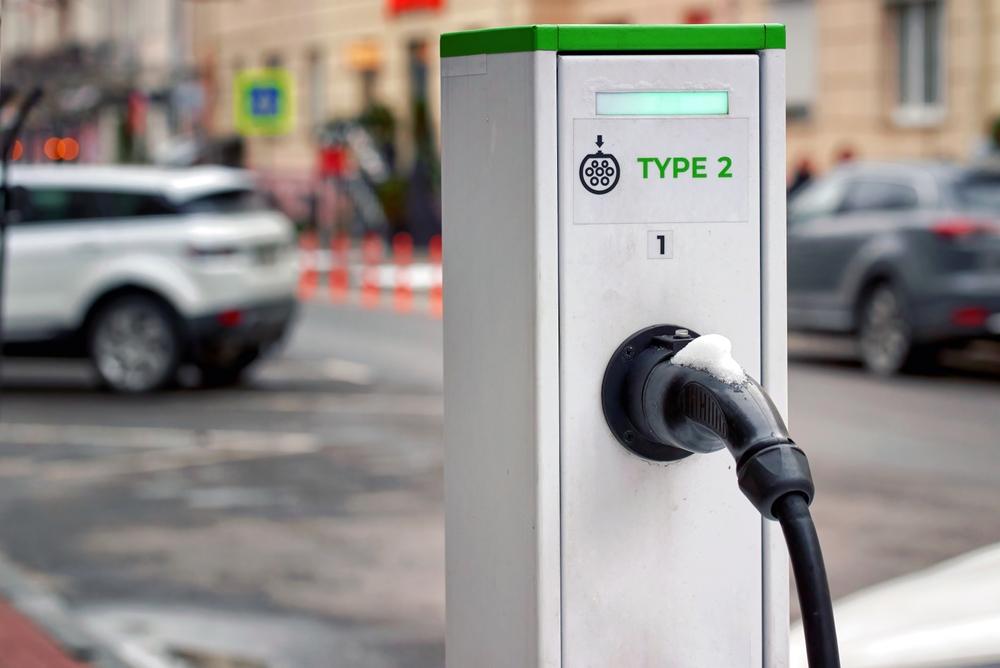
Another frequent question we hear is how long it takes to charge an electric car. After all, you can fill your fuel vehicle quickly and move on. What about an electric vehicle? If your vehicle is completely empty, it can take four to eight hours to charge, depending on the vehicle and charger. Most AC chargers are 7-22 kW. Your best option is to charge overnight to avoid slowing you down during the day.
When you’re driving throughout the day, you’re more likely to encounter fast chargers, which are 50-150 kW or more. These chargers can get your vehicle charged in 20 minutes to an hour. Simply plug your car in, and get lunch or a coffee or take a hike. However, keep in mind that charging slows down significantly once your battery reaches 80%, so it’s worth stopping there.
Which Routes Are Best for an Electric Car?
Not all routes are suitable for renting electric cars. Here’s an overview of some of the most common routes and whether it makes sense to consider an electric vehicle.
Is an Electric Car Recommended for the Ring Road in 7–10 Days Without Rushing?
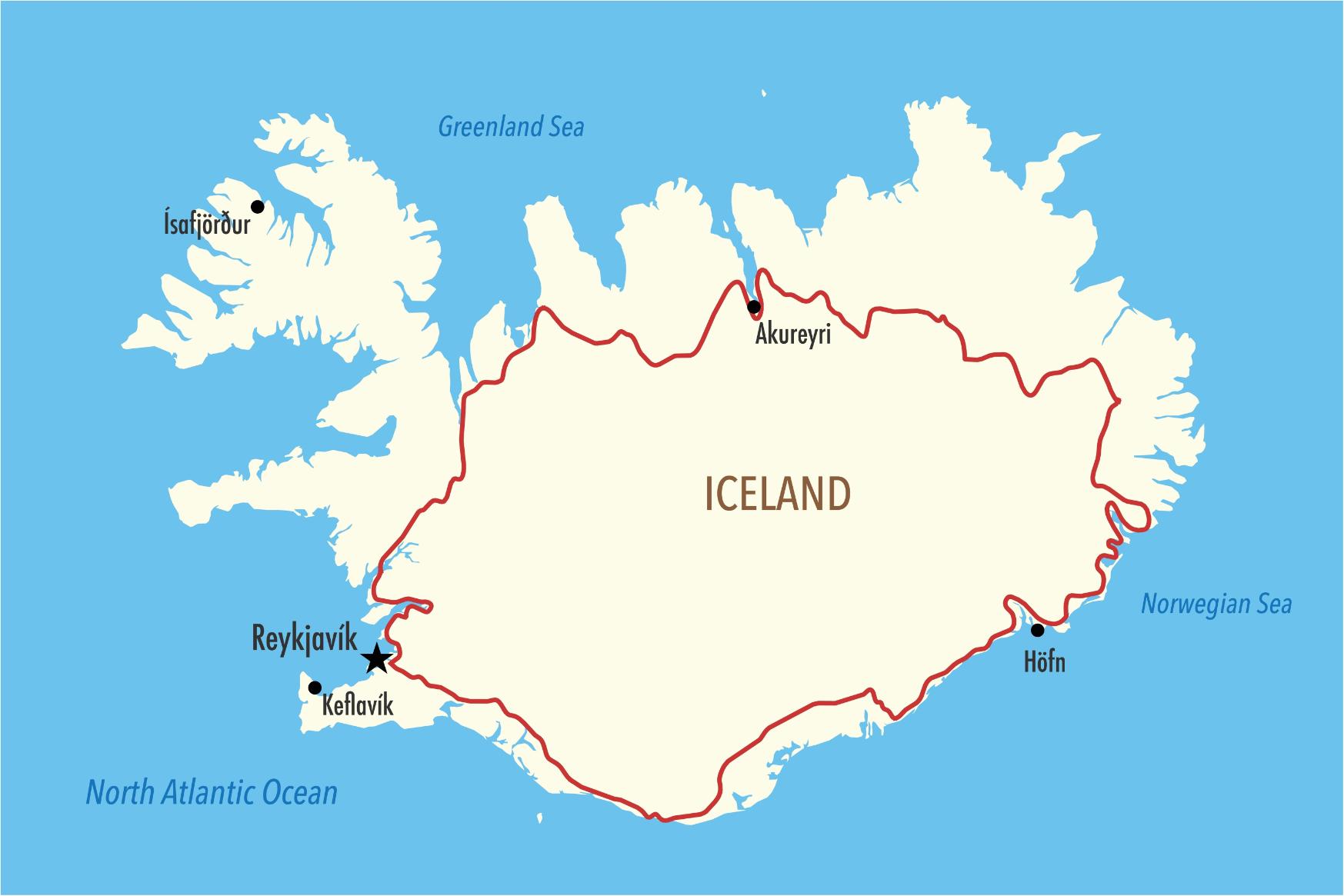
The Ring Road takes you around the country and brings you close to endless breathtaking sights. If you’re thinking about an electric car for your Ring Road trip, you may wonder if 7-10 days is really enough when you consider charging time. The short answer is yes, this is a good amount of time to see the Ring Road without feeling too rushed, even if you have an electric vehicle.
We recommend scheduling about two to four hours of driving per day. With an electric vehicle, you can expect to stop around twice for 20-30 minutes each to keep your car topped up. Stopping to eat or enjoy the local sights is a perfect excuse to charge your car.
Over 7-10 days, you can cover between 200 and 300 km (125-185 miles) per day. This itinerary pace is perfect for completing the Ring Road with time to spare, whether you want to spend a little time in Reykjavík or prefer to build a buffer day into your plans.
Is It Feasible to Combine Westfjords or Snæfellsnes With an Electric Car Without Complications?
The Ring Road is well-positioned to accommodate electric vehicle drivers, but what about the most popular detours? The Westfjords and Snæfellsnes Peninsula are both excellent options if you want to see more of the country, but do they work well with electric cars?
Snæfellsnes Peninsula is well-traveled and has a good number of EV chargers within a reasonable distance. You won’t be far from Reykjavík with good roads that won’t excessively drain your battery.
The Westfjords is a different story. This part of Iceland is more remote and doesn’t have as many towns or charging stations available. The roads are sometimes gravel and often wind through the fjords, using more battery power. While chargers do exist, they are less common and may not be fast chargers, so you must plan accordingly.

What About the Highlands and F-Roads: Does an EV Make Sense, or Is It Better Not To?
A summer trip to the Highlands may be at the top of your list, but in this situation, renting an electric vehicle just isn’t the best choice. You won’t find charging stations on F-roads, and the road surfaces require a 4x4 with good ground clearance, something EVs generally don’t have. River crossings should never be done with an electric car.
The risks and limitations of an F-road itinerary simply aren’t worth renting an electric car and dealing with the high cost of damage. If you still want to visit the Highlands while renting an electric car, consider taking a tour instead.
How Much Does It Cost to Charge in Iceland Compared to Filling Up a Tank? (comparison per 100 km)
One of the attractions of renting an electric car over a traditional fuel-powered vehicle is the cost savings. After all, the price of fuel in Iceland is high, and filling up a car to get around can be a big part of your budget. Let’s take a closer look at the specific costs of charging versus filling up a tank.
|
Vehicle Type |
Consumption |
Cost |
Total Cost per 100 km |
|
Electric Vehicle |
13.5-20 kWh per 100 km |
Slow: 30 ISK/kW ($0.24 USD/0.21 EUR) |
Slow: 405-600 ISK ($3.24-$4.80 USD/2.82-4.17 EUR) Fast: 675-1300 ISK ($5.40-$10.40 USD/4.70-9.04 EUR) |
|
Fuel Vehicle |
About 8 liters per 100 km |
211-242 ISK per liter ($1.69-$1.94 USD/1.47-1.68 EUR) |
1688-1936 ($13.51-$15.50 USD/11.74-13.47 EUR) |
In short, a trip in an electric vehicle will cost you 1300 ISK ($10.40 USD/9.04 EUR) or less per 100 km. However, fueling up a traditional vehicle for the same trip will cost between 1688 and 1936 ISK ($13.51-$15.50 USD/11.74-13.47 EUR). Most people will save 30-40% on fuel just by renting an electric vehicle.
Are There Cheaper Rates at Night?
It’s one thing to plug your electric vehicle in while you shop or take a hike, but what about overnight? Leaving your vehicle plugged in overnight can be another story. The good news is that some charging providers offer discounted rates for overnight charging. For instance, Straumlinds’ chargers cost 34% less between 2 and 6 am.
Another way you can save money on overnight charging is by choosing a slow charger rather than a fast charger. These chargers take longer but cost less, so you can spend less money charging while you sleep.
How Does the Icelandic Winter Affect the Battery and Trip Planning?
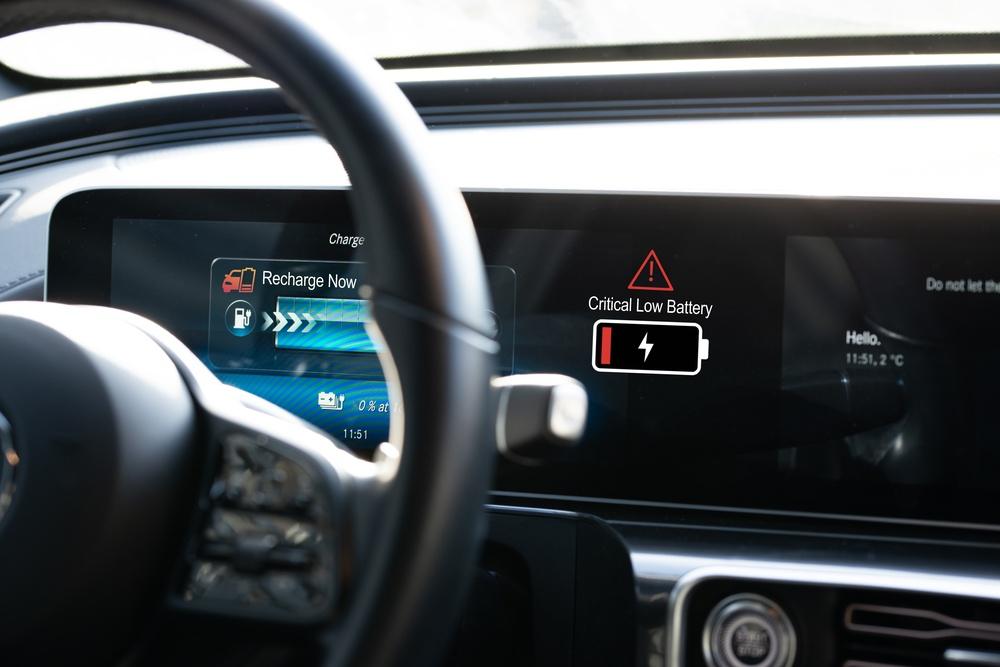
One of the biggest concerns with electric vehicles is how cold and bad weather conditions affect the battery. It’s well-known that cold temperatures can drain a battery faster than usual. Here’s what you need to remember as you plan your trip:
- EV batteries can give you 20-30% less range in the winter
- Strong winds and the mountain terrain can use more battery power
- Cabin heating uses more energy
- Charging can be slower in cold temperatures
These factors mean you need to plan more carefully around charging stations to keep your vehicle powered. In addition, keep in mind that visiting in the winter means fewer daylight hours, so you won’t be driving as far, but you will need to plan your stops accordingly.
How Well Do Heating and Defrosting Work in Extreme Cold?
Most electric vehicles have an electric heater or heat pump that draws power directly from the car’s battery. This means that you will get faster results than you would get from a traditional vehicle that often needs to warm up before it starts heating the cabin. However, keep in mind that running the heater will drain the battery faster.
Defrosting systems in electric cars are also quite effective. In addition to the typical defrosting for the windshield and rear window, these vehicles are often equipped with heated mirrors and may have heated steering wheels and windshields. These components also use battery power, so plan for 20-30% less range.
Is a Plug-in Hybrid Worth It as a Compromise?
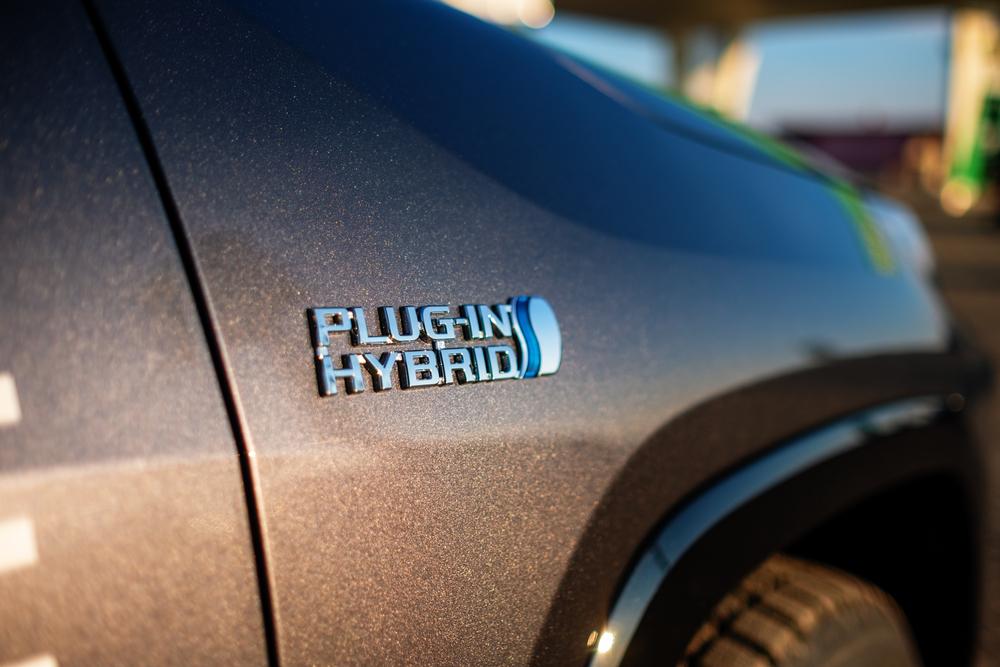
Worried about going fully electric? A plug-in hybrid is an alternative that can save you money on fuel while getting some of the advantages of an electric vehicle. But is it a good alternative? A plug-in hybrid uses the battery for short distances and fuel for longer drives. It behaves like an EV but also takes fuel, so you don’t have to worry so much about charging stations.
However, there are some disadvantages of renting a hybrid, including:
- Spending more money on fuel
- The electric range is more limited
- More systems that can go wrong
What Apps and Habits Do You Need Before Leaving the Airport?
Before you arrive in Iceland and leave the airport with your electric car rental, there are some apps you should have on your phone, ready to help you on your journey. You should set up any accounts ahead of time, so you don’t find yourself struggling to do it at the last minute.
- ON Power App: One of the largest electric charging networks in Iceland
- Ísorka App: Well-used throughout the country
- PlugShare: An all-in-one charging map
- Google Maps, Apple Maps, or Maps.me: Navigation apps to help you get around
In addition to having the above apps, developing these EV habits will make a huge difference in your trip:
- Charge early. Don’t wait until you’re at 10% or less.
- Always plan for a backup charger in case the one you’re aiming for is in use or out of order.
- Start each day with a full battery. Take advantage of overnight charging.
- Plan your day around your charging stops.
- Keep your battery as full as possible in remote areas. Remember that cold temperatures can reduce your range.
What Is the “Minimum Battery” You Should Have in Remote Areas?
Between the typical remote areas and the regions with fewer electric car chargers, you need to plan carefully to prevent running out of battery. In addition to charging your battery well before it reaches 10%, we recommend topping off your battery before you drive into remote areas or those with charging gaps. Remember, your battery will get about 20-30% less range in cold temperatures, strong winds, and significant terrain changes.
Avoid These First-Time EV Trip Mistakes
If you’ve never driven an electric vehicle before, it’s easy to make mistakes. However, if you’re prepared for the most common mistakes, you can avoid making them in the first place, eliminating the learning curve. Here are the frequent mistakes we see first-timers make:
- Treating it like a gas vehicle (i.e., I’ll fill up when it’s almost empty)
- Letting the battery get below 10%, charge up at 20-30% instead
- Always using fast chargers, the last 20% significantly slows down
- Not checking charger availability before you arrive
- Underestimating how the weather affects the car battery and range
- Not charging overnight
- Overcomplicating things, like worrying about range and overplanning
- Viewing charging as “lost time”
- Not understanding basic EV principles like charging speed and range estimator fluctuations
How to Turn Charging Stops into Useful Stops
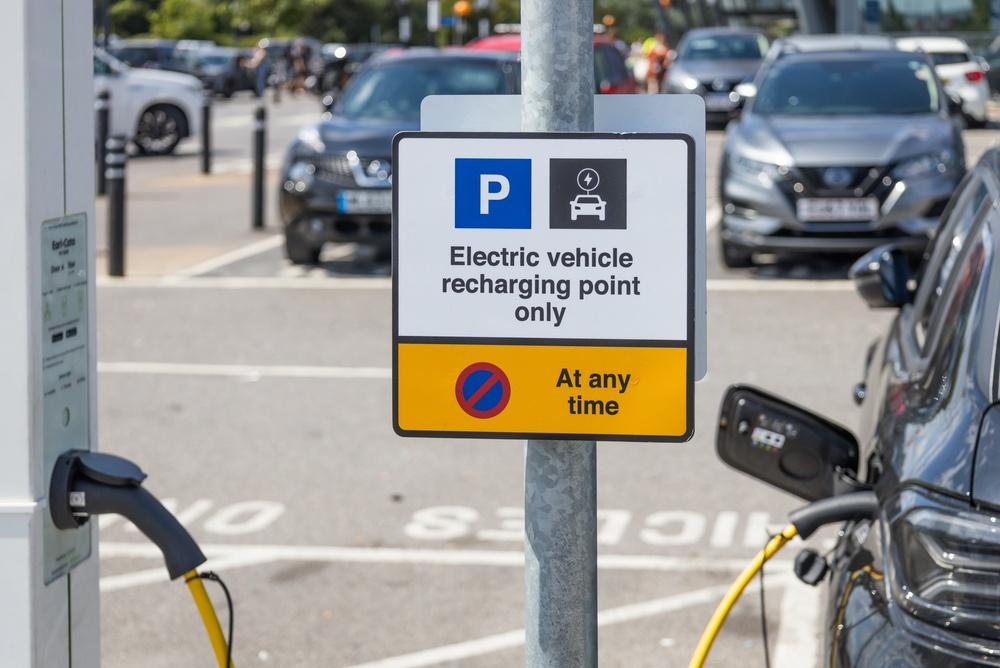
Stopping to charge electric cars in Iceland is more time-consuming than fueling up other types of vehicles. However, that doesn’t mean you have to consider these stops as wasted time. Instead, you can turn your charging stops into useful stops, making the most of the 20-30 minutes required to get a good charge:
- Grab a coffee and some snacks
- Get lunch or dinner
- Stop at scenic viewpoints with chargers and hike
- Go grocery shopping or stock up on supplies
- Charge overnight while you sleep
Plan your days around your charging needs, not the other way around. If you strategically plan stops with charging stations at the right times, you’ll never feel like you’ve wasted a moment of your trip.
Do You Recommend an Electric Car in Iceland?
Renting an electric car in Iceland can be a great way to save money and feel like you’re doing your part to protect the environment. Because Iceland generates green energy with natural resources, you can confidently charge your vehicle. However, you must plan carefully to ensure you know where to stop and don’t waste valuable time.
Electric vehicles are growing in popularity in Iceland, and renting one can help you reduce your fuel costs as you enjoy the country. Whether you’re driving the Ring Road or spending more time in specific areas, an EV can be a great solution to enjoy the trip of a lifetime.