 By
By
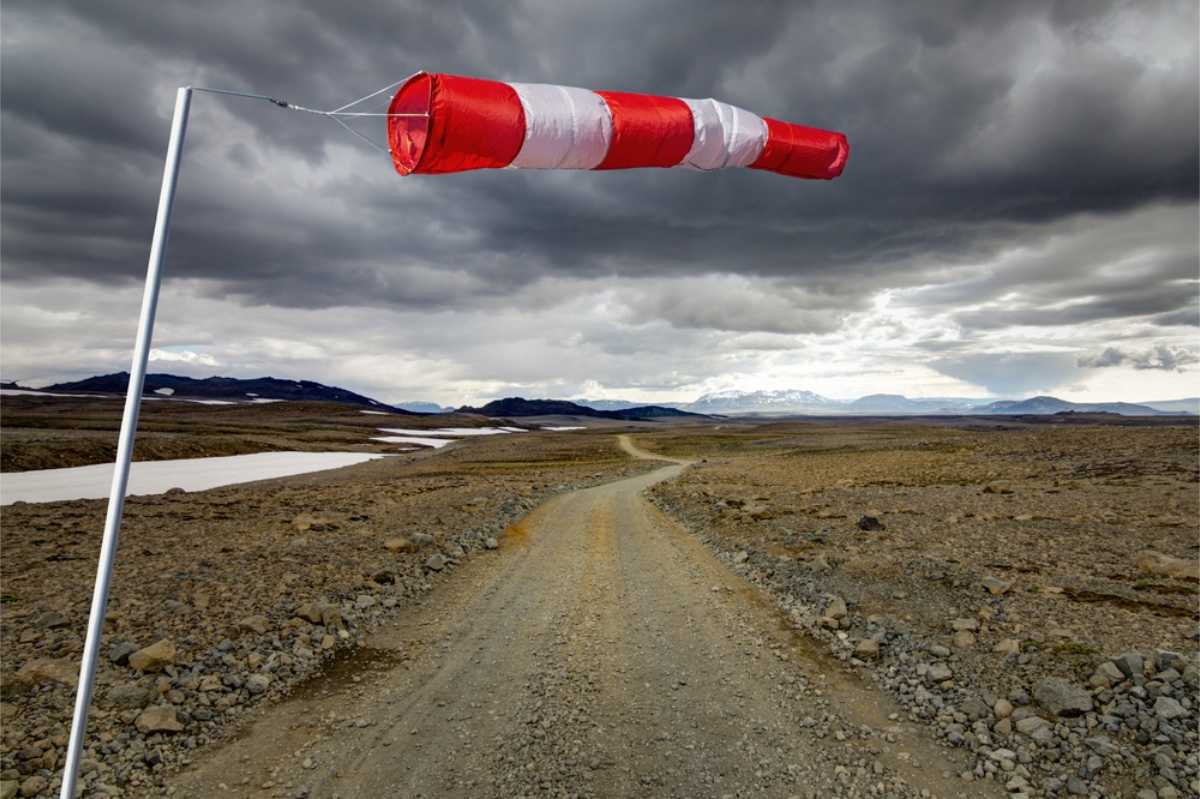
Iceland is structurally windy year-round. This is not a seasonal quirk. Gusts commonly exceed 15-25 m/s 33-56 mph, and stronger storms are routine. Wind is one of the leading causes of vehicle damage across the country, especially for visitors who underestimate it. The good news is that most of it is preventable.
The right vehicle, proper Iceland rental car wind damage insurance, and disciplined driving habits reduce risk dramatically. Reykjavík Cars includes CDW and Third-Party Liability in the base rate, so you are not starting unprotected. This guide focuses on what actually matters and what to avoid.
A Quick Overview of Wind in Iceland
Here’s what you need to understand about Iceland’s wind at a glance:
- Winter Oct to Mar averages around 6-7 m/s, with frequent gales exceeding 15 m/s. Summer drops closer to 3-4 m/s on average, but gusts above 10 m/s remain common. Spring and fall bring unstable southwesterly systems that build quickly.
- The most exposed driving regions are the South Coast near Vík, open Ring Road stretches such as Lómagnúpur and the Eastfjords, and elevated mountain passes where gusts intensify.
- The three most common vehicle issues are door strain from sudden gusts, sand and gravel abrasion to paintwork, and windshield cracks caused by airborne debris. Insurance matters in windy conditions.
See our full Windy Iceland Guide for more tips and tricks.
Is Iceland Actually That Windy?
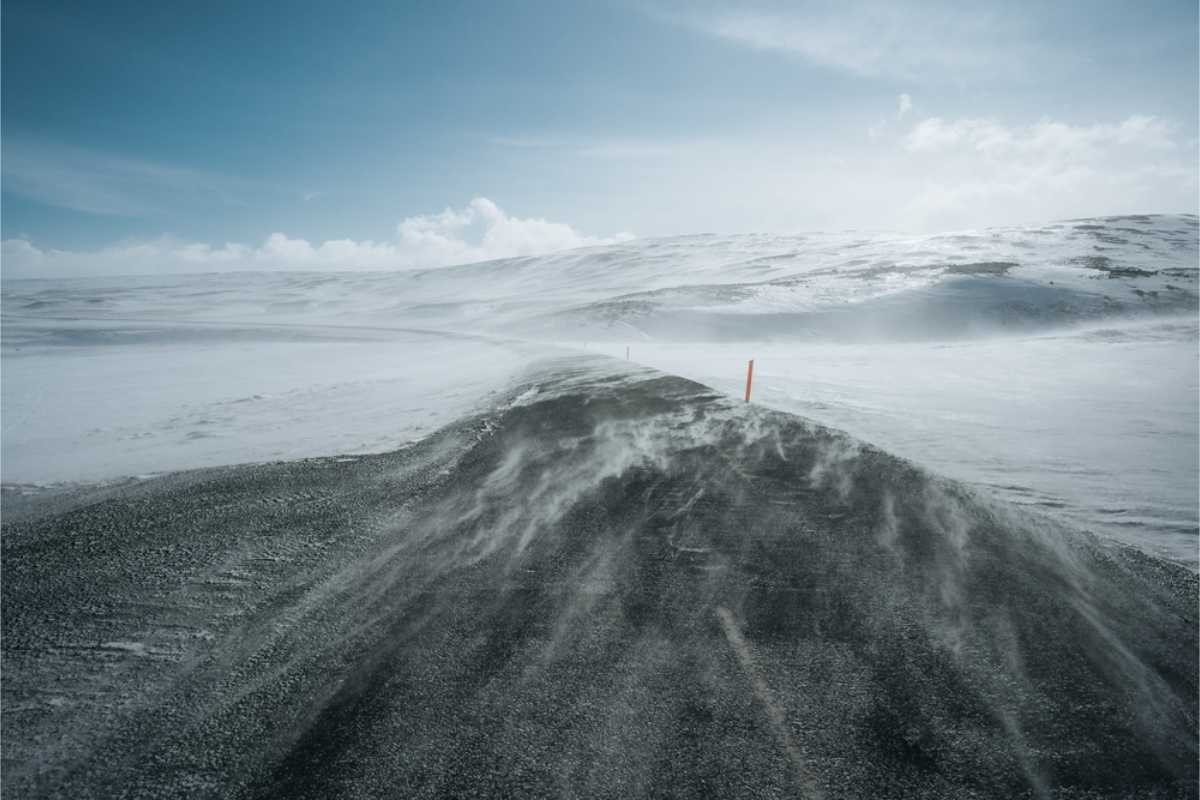
Yes, Iceland is windy because of where it sits. Arctic air pushes down. North Atlantic storms push in. The island takes the hit. It sits right under the North Atlantic jet stream, where pressure systems collide and move fast. Low-pressure systems cross at 30-50 km/h, so storms do not linger. They roll through.
Average wind speeds run 5-8 m/s nationwide. Gales above 15 m/s are normal. Winter ramps that up with 10-12 m/s averages and 50+ mph gusts. Summer is calmer, not calm. Open terrain makes it worse. Glacial outflows and mountain passes accelerate gusts to 20-30 m/s.
And yes, wind warnings are routine here.
What Wind Physically Does to a Moving Vehicle
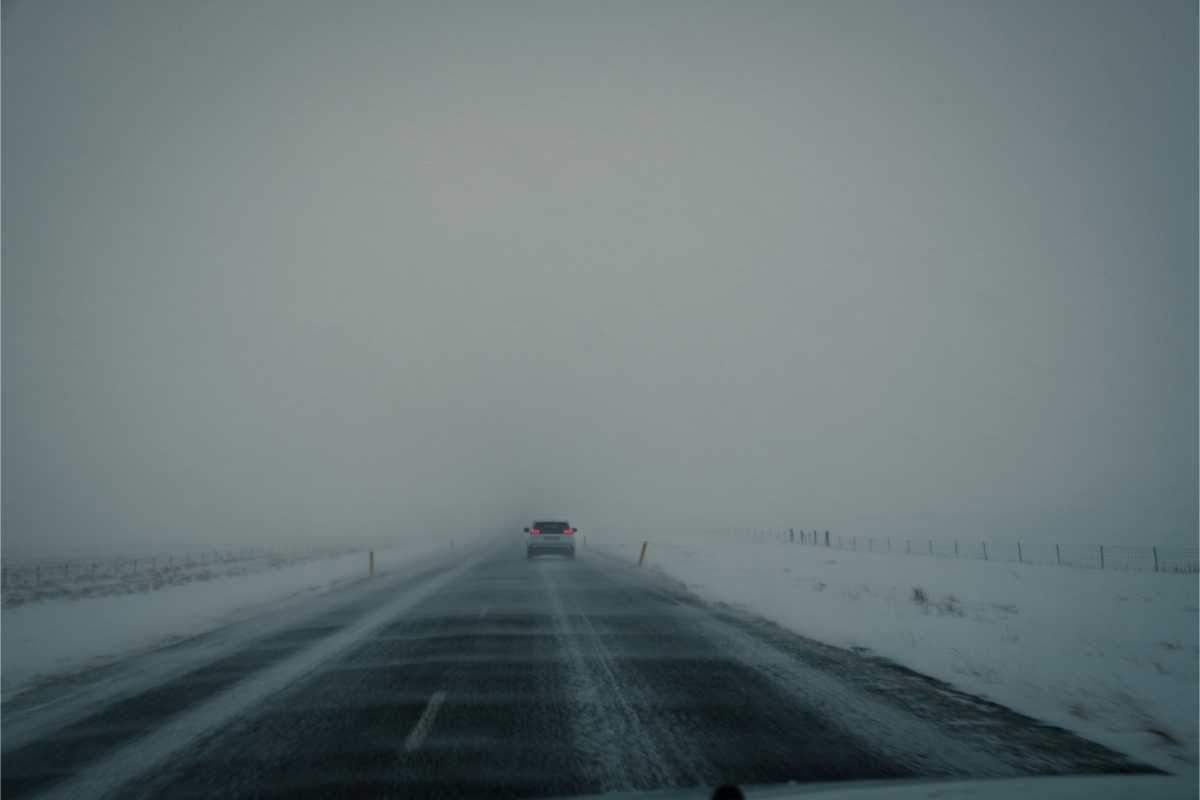
Crosswinds in exposed areas regularly reach 20-45 m/s during storms. At highway speeds, side gusts can shift a vehicle laterally by one to two meters. The force increases with wind speed squared, which is why open Ring Road stretches feel unstable fast.
Mountain passes such as Öxi or Breiðdalsheiði can accelerate wind 1.5 to 2 times, producing sustained 25+ m/s blasts. Narrow bridges amplify crosswinds and increase roll torque on high-sided vehicles.
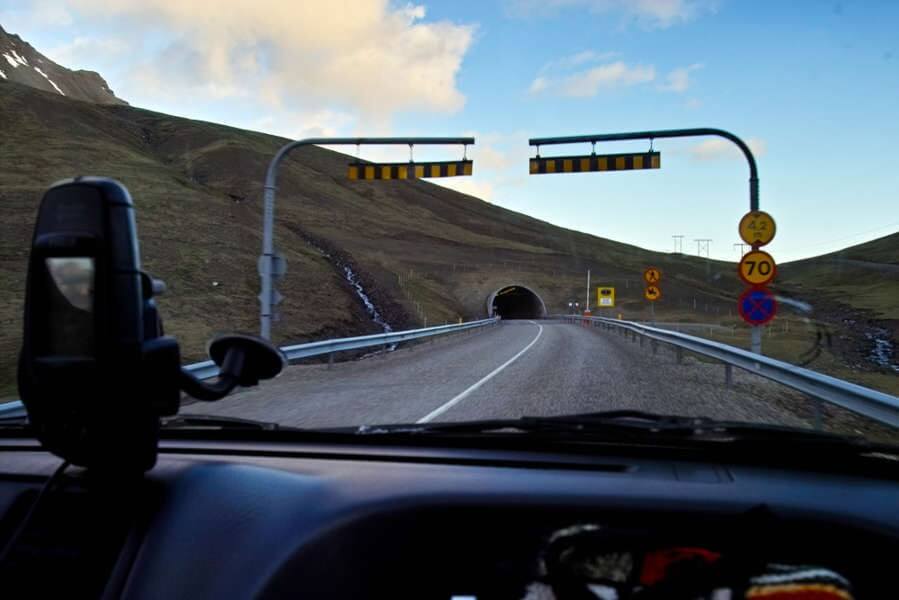
Tunnel exits create sudden shear when calm interior air meets 20 m/s gusts. Larger SUVs face significantly higher drag, and airborne basalt grit at 15+ m/s can erode paint on impact.
How Wind Turns Into Rental Car Damage
Wind in Iceland stops being a theory the moment it hits a parked vehicle. From what we have seen over the years, most rental damage is not dramatic crashes. It is doors, paint, and glass.
Door damage is the classic case. A 20+ m/s gust catches an open door, and the hinge takes the full load. We have seen hinges bend and latches fail in seconds. It does not take long. Sand and gravel abrasion is next. Volcanic grit moving at 15-25 m/s scours paint like fine sandblasting. One storm can pit an entire side panel.
Wind-launched pebbles cracking windshields are common on exposed south coast stretches. Many incidents happen during short photo stops. Five minutes parked broadside is enough. Claims rise sharply from October to March. South and east routes account for most reports.
Iceland Rental Car Wind Damage Insurance Explained
Let’s strip this down properly. Iceland rental car wind damage insurance is about controlling liability before the conditions test it.
What Is Already Included
Every Reykjavík Cars rental comes with a bundled base package, Collision Damage Waiver CDW which includes:
- Third-Party Liability TPL
- Personal Accident Insurance
CDW reduces your financial liability for bodywork damage after a collision. It does not remove it. There is still a deductible.
PAI covers the driver in case of injury. TPL protects you if you damage another vehicle. Unlimited mileage and VAT are also included in the rental price.
You are not unprotected. But base protection has limits.
Optional Upgrades
If you want less financial exposure, you can upgrade.
Premium Insurance bundles CDW, SCDW, and Gravel Protection at a reduced combined rate. Deductibles vary by vehicle size.
Platinum Insurance goes further. It combines CDW, SCDW, Sand and Ash, Theft Protection, and Gravel Protection, reducing the deductible to zero.
Find out more about car rental insurance here.
When Upgrading Makes Sense
- Winter travel
- Long Ring Road routes
- Highlands driving
- First-time Iceland drivers
Choosing the Right Vehicle for Wind Stability
When driving in Iceland, especially outside sheltered urban areas, vehicle profile matters.
|
Travel Type |
Recommended Vehicle |
Why |
|
Winter driving |
4x4 SUV |
Better traction and stability in snow and crosswinds |
|
Ring Road summer |
Compact SUV |
Balanced handling and road control |
|
Highlands |
4x4 required |
F-road suitability and ground clearance |
|
Reykjavík city |
Economy car |
Limited wind exposure and urban driving |
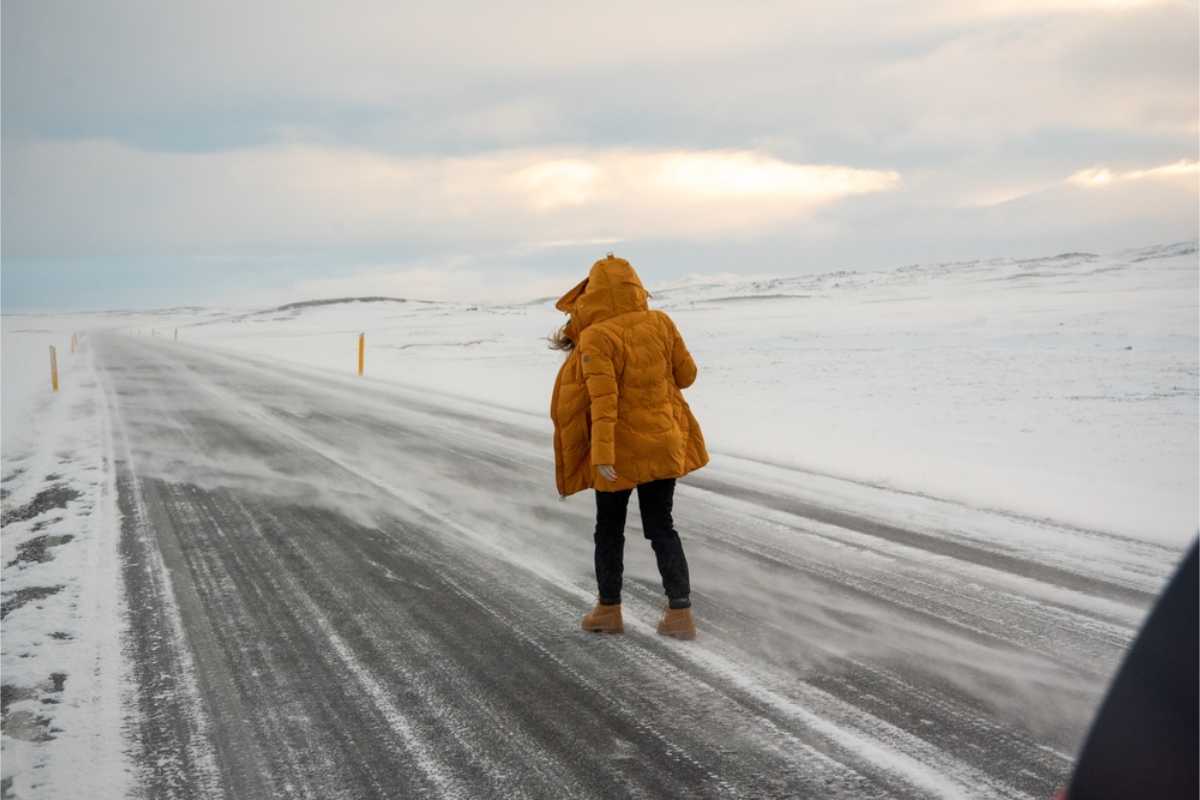
For winter routes and exposed stretches, 4x4 SUVs such as the Dacia Duster, Suzuki Vitara, and Nissan X-Trail offer better grip and stability. A lower center of gravity helps resist lateral sway. Large vans catch more crosswind and feel it sooner.
Winter tires are included from November to April when relevant. In stable summer conditions, an economy car is perfectly adequate.
Practical Driving Habits That Prevent Wind Damage
Wind damage is usually not bad luck. It is impatience. Here are some must-follow tips based on our experience:
- Check the forecast every morning before you start driving. Use the Icelandic Met Office site vedur.is and SafeTravel.is for official alerts. If conditions look unstable, check again at lunch. Twice a day is normal here.
- Slow down in exposed zones. Open plains and coastal stretches amplify gusts. Speed makes crosswinds feel stronger.
- Use two hands on the wheel in known gust corridors. Especially on the South Coast and elevated passes.
- Reduce speed before bridges. They funnel airflow and remove natural windbreaks.
- Hold doors firmly when opening. Gusts over 15 m/s can wrench them instantly.
- Open doors in stages. Control the swing.
- Park facing into the wind.
- Skip scenic stops during storm warnings.
- Adjust daily driving distances if alerts are active.
Why Iceland Rental Car Wind Damage Insurance Is Not Optional Thinking
Wind in Iceland is not random. It is consistent, seasonal, and well-documented. The damage usually happens when visitors assume they will be fine. Overconfidence is expensive here. Iceland rental car wind damage insurance is not paranoia.
It is a control mechanism. The right vehicle and the right level of coverage reduce financial exposure before the gusts arrive. Reykjavík Cars gives you flexibility, from economy models to stable 4x4 options.
The tools are there. Use them. Respect the conditions, plan accordingly, and you avoid costs that were never meant to happen.