 Por
Por
First things first. Driving in winter conditions with potentially icy roads is not for everyone. Using winter tires in Iceland will indeed help. However, if you have never driven a vehicle in tough winter conditions and plan to be outside of the main metro area of Reykjavik, then it may be smarter to consider taking tours and letting experienced drivers tackle the roads..
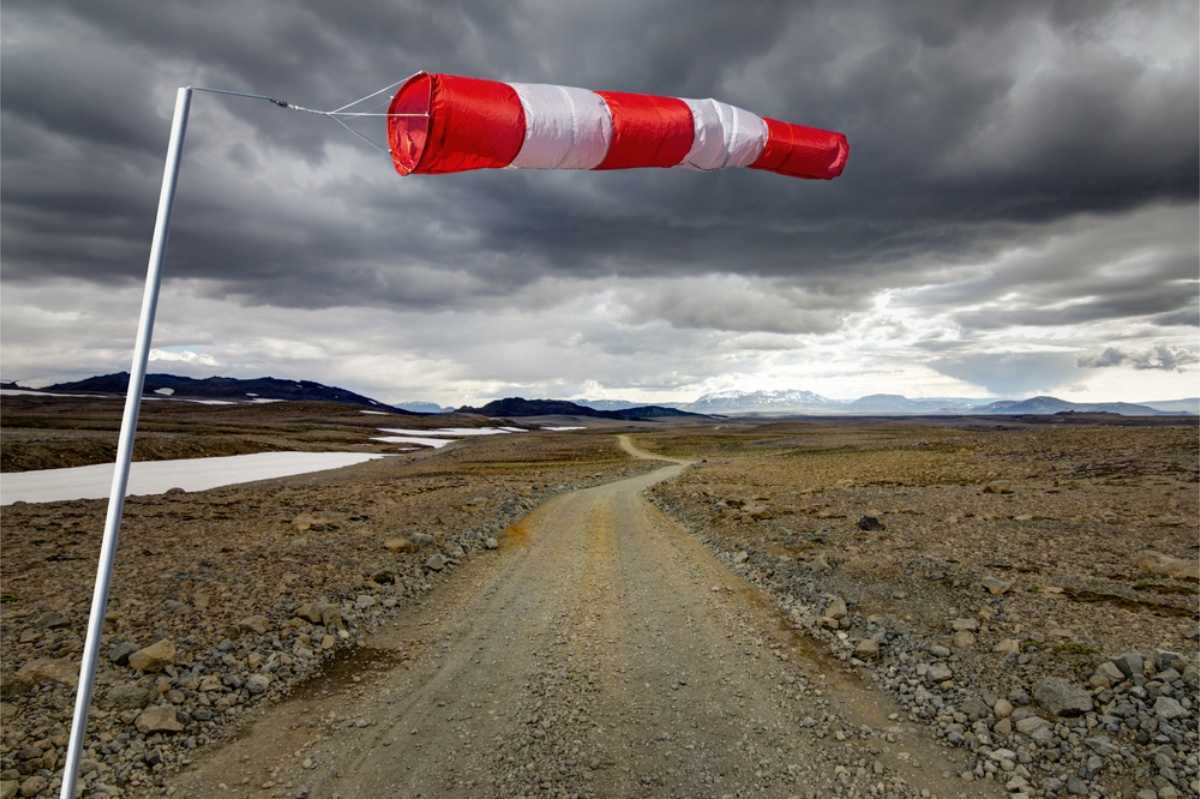
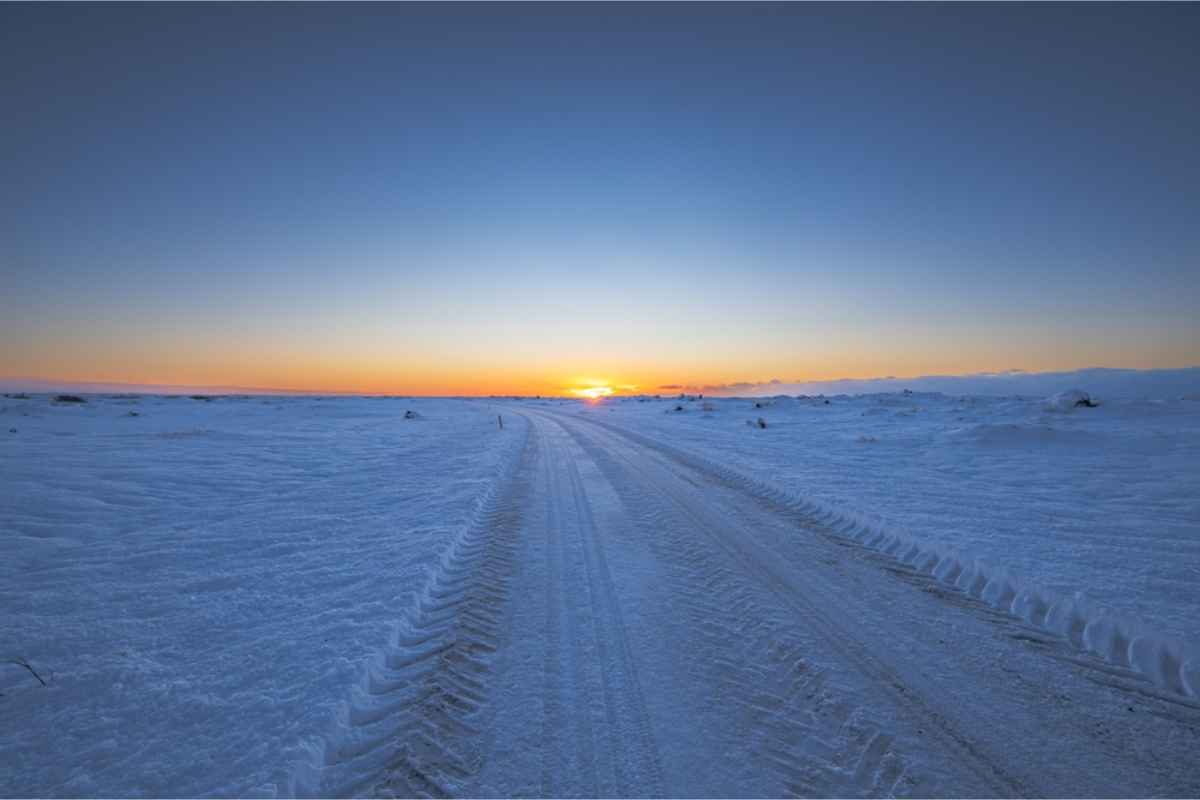
The farther you get from Reykjavík and larger towns, the more skills you may need to drive in Iceland's heavy winter conditions. Snow, icy roads, strong winds, narrow roads, and limited visibility all come into play when you find yourself on Iceland's roads during the winter season.
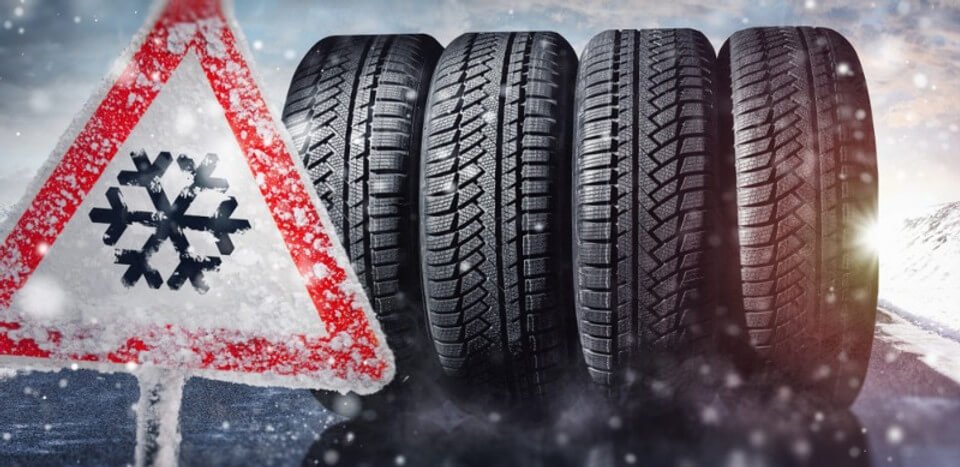
While you should do your part to check weather and road conditions regularly, making sure your rental car has winter tires or snow tires is an absolute must between November and April.
Why Winter Tires Are Essential for Driving in Iceland
Driving in Iceland, especially in the winter months, isn’t about just getting from Point A to Point B; it’s about doing so as safely as possible.One way that becomes possible is with the installation of winter tires on Iceland rental cars. These tires can help you maintain control in winter conditions like:
- Extreme and rapidly changing weather conditions
- Icy and snow-covered roads
- Strong winds and reduced visibility
- Gravel and rural roads that aren’t well-maintained
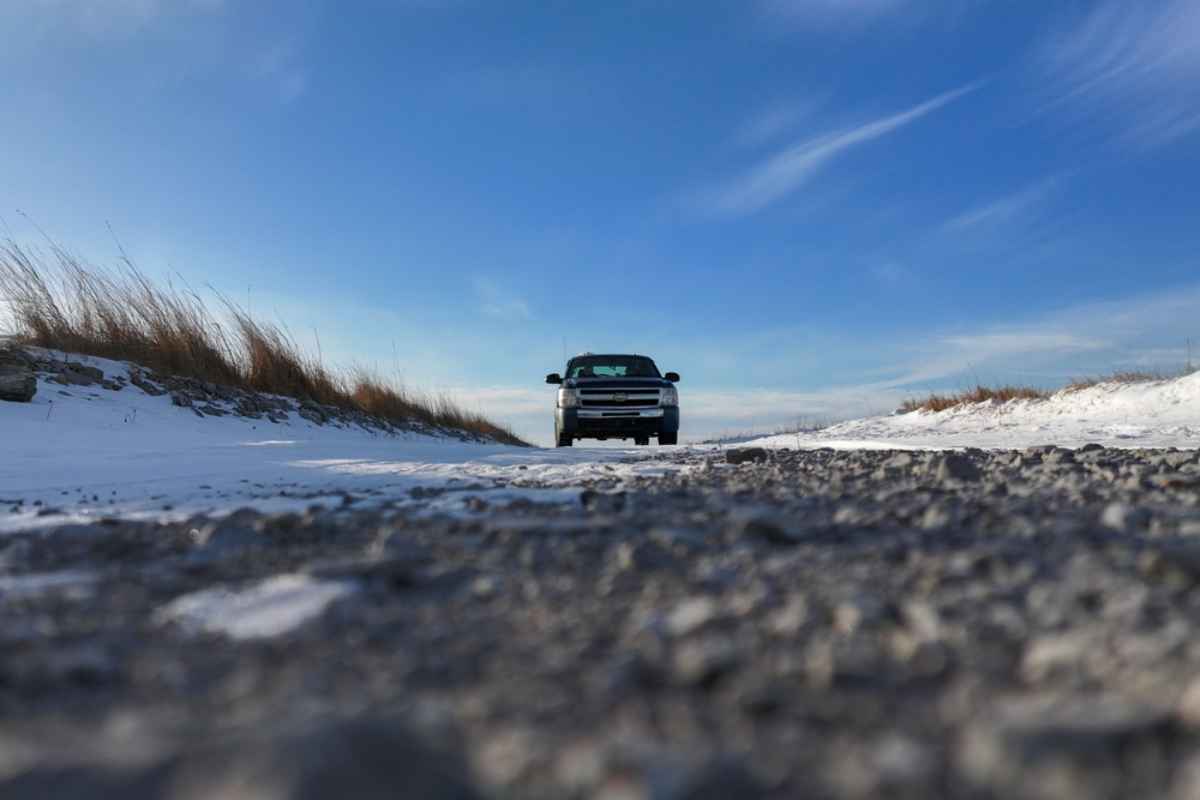
It’s all about maintaining safety, particularly in more remote areas of the country where services are limited. However, it’s not simply an option; it’s a legal requirement to keep everyone safer on the roads during the winter.
Are Winter Tires Mandatory in Iceland?
Many visitors wonder if winter tires are absolutely required in Iceland. Knowing the requirements before you rent a vehicle will ensure you receive a fully compliant vehicle that will keep you safe in the winter weather conditions.
Official Winter Tire Dates and Legal Requirements
The most important part of the legal regulations that dictate the use of winter tires in Iceland is the dates. The law states that winter tires are required to be installed from November 1 until April 15. The authorities may extend these dates if extreme weather conditions require them for safety.
These winter tire rules apply equally to vehicles owned by locals and those rented to visitors. If you will be visiting during these dates, ask your rental company about whether they will have winter tires or snow tires installed on your vehicle. Studded tires may also be used between November 1 and April 15, but they are optional.
Driving without tires suitable for the weather conditions can result in fines and costly vehicle repairs if you get in an accident.
Tread Depth Rules and Driver Responsibility
Another important element to the winter tire regulations is the necessary tread depth on each tire. The law requires that tread must be at least 3 mm in depth. This depth ensures tires grip the road properly, even in snowy or icy conditions.
However, drivers must also take some responsibility. Check your rental car’s tires well when you receive it and ask for either new tires or a different vehicle if the tread depth isn’t right or winter tires aren’t installed. You are also responsible for checking the weather and road conditions and making responsible decisions about whether you can safely drive. After all, if you get into an accident, the driver is still responsible.
Do Rental Cars in Iceland Come with Winter Tires?
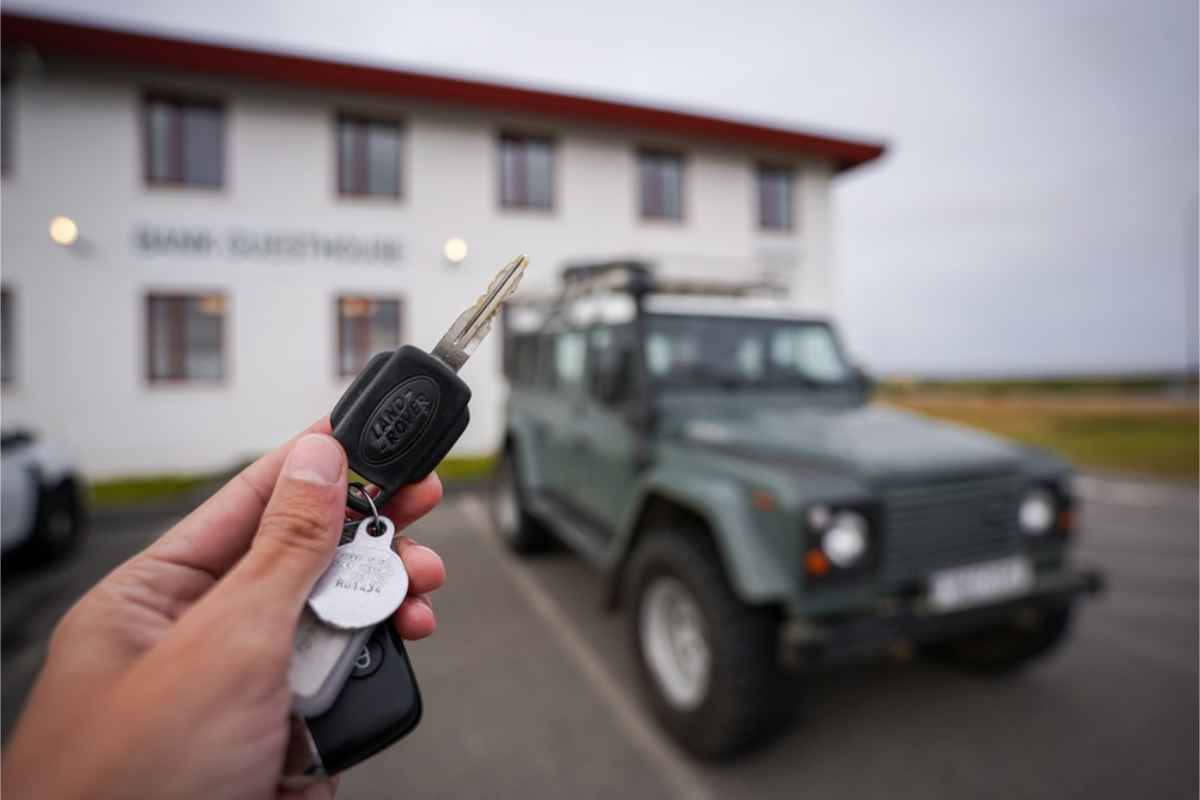
Your next question is likely whether rental cars in Iceland come with the required winter tires. At Reykjavik Cars, we absolutely include winter tires on any car rented between November 1 and April 15. We monitor the regulations carefully and make adjustments as required based on the weather conditions each year.
Winter Tires Included in Iceland Car Rentals
When you rent a car with us, you can rest assured that we have installed appropriate studded or non-studded winter tires during the required period. All tires are fully inspected before installation to ensure they meet the proper tread depth requirements and don’t have excessive wear and tear that make them unsafe.
What to Check When Picking Up Your Rental Car
When you arrive in Iceland and pick up your car, there are a few things you should check.
- Tire Type: Ask whether your vehicle has studded or non-studded winter tires. Studded tires are useful if you will be driving outside the city.
- Tread Condition: Visually assess the condition of the tire tread. Look for visible tire wear bars on the tires or use a coin to check the depth.
- Tire Pressure and Overall Condition: Look for visible damage or uneven wear on the tire. Make sure the tires feel firm.
- Spare Tire or Repair Kit: Check for a spare tire or tire repair kit. It will pay off if you need it later.
- Road Condition Guidance: Ask the rental staff how road conditions have been recently. However, keep in mind that conditions change quickly.
Checking these things before you start your journey gives you peace of mind and allows you to ask questions or request a different vehicle if the one you get doesn’t meet the requirements.
Winter Tires vs Studded Tires in Iceland
There are two primary types of tires used during the winter period: non-studded winter tires and studded tires. While winter tires are required between November 1 and April 15, studded tires are optional. Understanding the difference will help you decide which type you may need for your trip.
Studded Tires: When They Are Allowed and When to Avoid Them
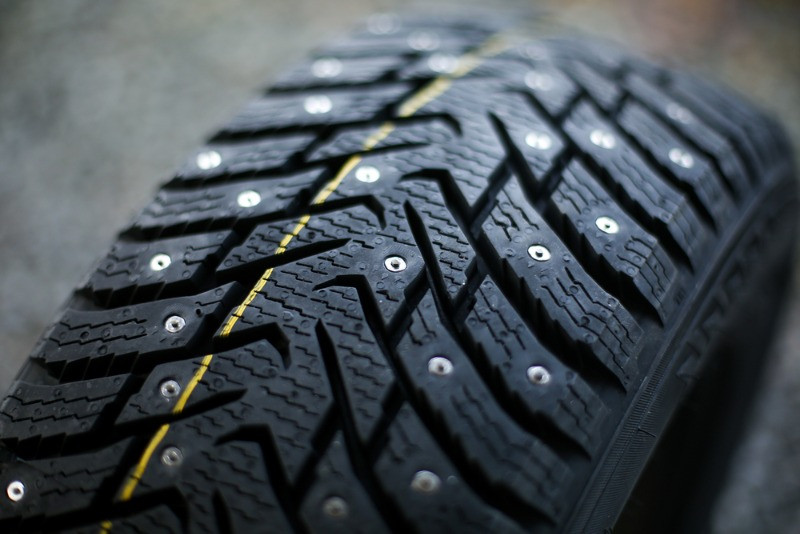
Studded tires have similar tread patterns to winter tires, but they have small studs embedded into the rubber. These studs bite into the ice on the road for maximum traction, making it safer to drive. However, they aren’t always the best option for your rental car.
Studded tires are allowed from November 1 until April 15, just like winter tires. However, if weather conditions are bad before or after these dates, they may be allowed. These tires are best for:
- Icy conditions
- Rural areas and mountain passes
- Driving in winter storms
- Non-maintained roads
It is best to avoid studded tires in the city and on dry pavement. Using studded tires in these situations:
- Increases road wear
- Produces more noise
- Doesn’t give you an advantage
If you plan to stick to the city and primary routes nearby, you generally won’t need studded tires. Regular winter tires will be sufficient.
Non-Studded Winter Tires: The Standard Choice for Rentals
Many rental cars come with non-studded winter tires. These tires are made from softer rubber with deep tread patterns to maintain good grip on snow and slush. Rental companies often prefer these tires for their reliable performance. They also offer a more comfortable drive and do less damage to the roads.
Non-studded winter tires are best for:
- Driving in and around the city and towns
- Main highways with good maintenance
- Mixed conditions, such as snowy, wet, and slushy roads
However, these tires have several disadvantages:
- Less effective on icy roads
- Can struggle on untreated roadways
For many drivers, non-studded winter tires are suitable for their trip, but if you plan to drive in more remote areas, studded tires may be best.
|
Feature |
Studded |
Non-Studded |
|
Ice Traction |
Best option |
Similar to regular tires |
|
Snow Traction |
Moderate help |
A better choice |
|
Noise Level |
High |
Low |
|
Best Use |
Rural and icy roads |
City and main roads |
|
Rental Availability |
Less common |
Standard |
Best Type of Car for Winter Driving in Iceland
Choosing the best car isn’t just about making sure it is equipped with winter or snow tires. Certain rental vehicles are a better choice for winter driving conditions. At Reykjavik Cars, we recommend choosing a 4x4 or AWD vehicle when visiting in the winter. These types of cars are best for the following reasons:
- Better traction on snow and ice
- Improved stability in high winds
- Higher ground clearance
- More control on gravel and rural roads
With unpredictable weather conditions, a 4x4 or AWD SUV can help you stay safe on Iceland’s roads in many conditions, including sudden storms, black ice, strong crosswinds, and unmaintained roads.
For most travelers, a mid-size SUV like a Dacia Duster, Toyota RAV4, or Kia Sportage is an excellent choice for winter driving in Iceland. However, if you expect to drive in more extreme conditions, a larger 4x4, such as a Toyota Land Cruiser or Land Rover Defender, is preferred.
Winter Driving Tips for Car Rental Customers
Winter driving in Iceland requires some experience. It isn’t a good place to learn to drive in these conditions. Careful preparation and decision making are essential to keep you safe along your route. The following winter driving tips will help you along your journey.
Weather, Road Conditions, and Daylight in Winter
The weather and road conditions change rapidly during the winter months. In the heart of winter, you can also expect as little as four hours of daylight, making careful planning absolutely essential. When it comes to winter driving in Iceland, follow these critical tips:

- Check weather forecasts frequently. Vedur.is is your best source for Icelandic weather conditions. Check it first thing in the morning before you head out and again each time you stop. Watch for weather warnings, high winds, and precipitation.
- Monitor road conditions daily. Road.is offers updated road conditions in an easy-to-read, color-coded map. This map is updated regularly and should be checked in the morning and each time you stop to check your route’s conditions. Don’t blindly trust navigation apps like Google Maps.
- Be aware of limited daylight. Driving in the dark can be even more challenging in poor weather or road conditions. Plan your drive to maximize daylight hours and try to avoid driving long distances after dark.
- Expect strong winds. Strong winds are common in Iceland. When roads close, it’s often because of the wind, not just snow or ice. Sudden gusts are common, so keep both hands on the wheel at all times.
Driving Techniques on Ice and Snow
Simply renting the right vehicle with winter tires isn’t enough to keep you safe on the road. Driving in ice and snow requires careful driving techniques to keep your vehicle on the road and minimize your risks.
- Check your vehicle over before driving. Do a walk around before you drive. Check the fuel level, tire pressure, lights, turn signals, and mirrors.
- Slow down and increase following distance. The normal speed limits in Iceland are 50km/h in urban areas, 90km/h on paved roads, and 80km/h on gravel. However, this assumes good weather with good visibility. Slow down as needed and increase following distances by about 50%.
- Accelerate and brake gently. Never make sudden moves on wintry roads. Accelerating or braking too hard can cause you to skid off the road. Always press the accelerator or brake smoothly and slowly.
- Steer carefully. Again, sudden movements can lead to skidding. If your vehicle does start sliding, steer gently in the direction you want to go.
- Slow down on curves and hills. Curves and hills can become more dangerous in snowy and icy conditions. Slow down before reaching any inclines or turns. Be especially careful driving down hills.
- Watch for black ice. Black ice is nearly invisible and extremely slippery. It’s most commonly found on bridges, in shaded areas, or in the early morning.
- Keep your headlights on at all times. Don’t rely on the auto feature because many newer cars don’t also illuminate the rear lights with this setting. Lights are mandatory at all times in Iceland to help with visibility.
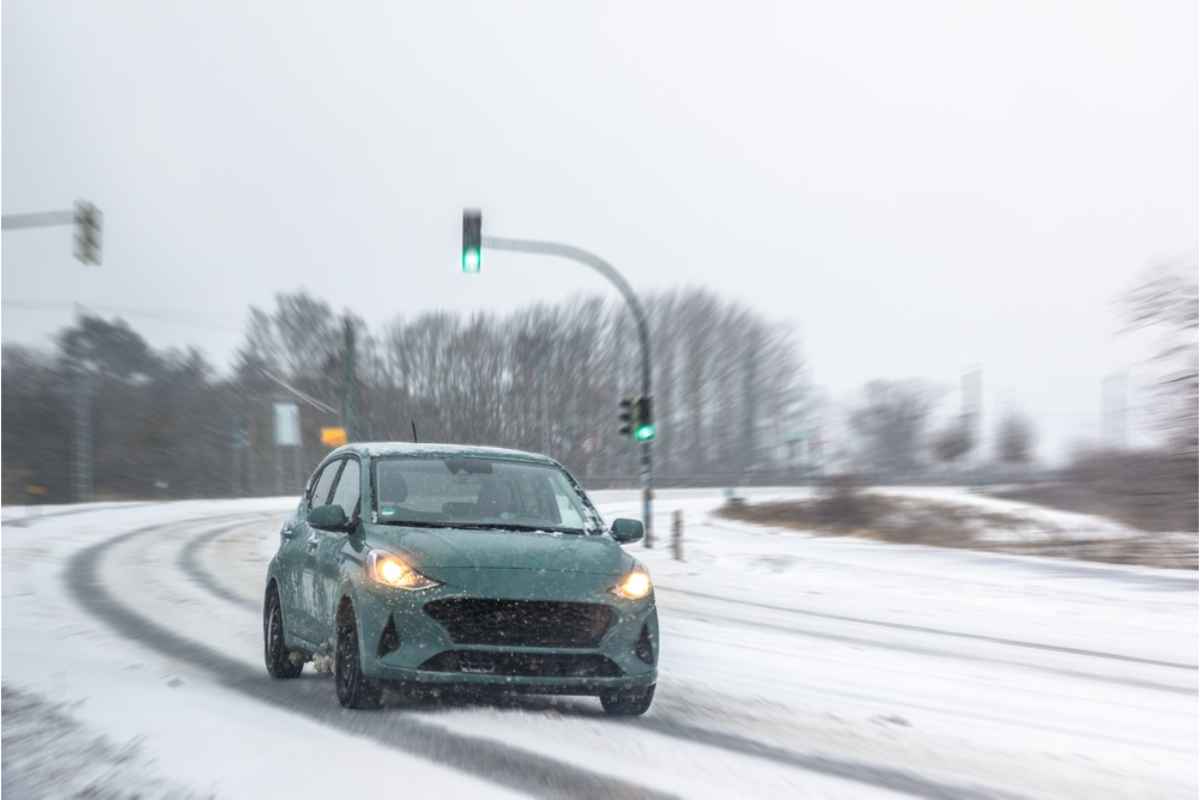
All of our rental vehicles are fully inspected for tire tread and condition before each season and between renters. Tires are replaced regularly to meet legal and safety standards.
Safety Equipment and Emergency Preparation
As you prepare for driving in Iceland’s winter conditions, there are a few items you should have in your car to prepare for potential emergencies. Some of these items will already be available in your rental car, but you may need to purchase or pack some of the others.
- Ice scraper and snow brush: Essential for clearing windows, lights, and mirrors to maintain visibility on the roads.
- Warning triangle: Required for marking a disabled vehicle on the side of the road.
- High-visibility vest: Helps you stay visible when changing a tire or when exiting a disabled vehicle.
- Spare tire or repair kit: A necessity for fixing a flat tire. All rentals should have either a spare tire or a repair kit.
- Fully charged phone and a car charger: Start your day with a fully charged phone and have a car charger in case you need to call for help.
When heading out, dress warmly and consider bringing a blanket in case you get stranded. You should always pack food, water, a power bank, a flashlight or headlamp, and a small shovel.
To improve your chances of a safe journey each day:
- Check the weather and road conditions before you drive.
- Share your travel plans with SafeTravel.is
- Keep your fuel tank above half full
- Stay with your vehicle if you are stranded
- Dial 112 if you need help
Expert Advice on Winter Tires and Road Safety in Iceland
Driving in Iceland in winter requires more than just knowing and following the typical rules of the road. You also need to know how local road conditions work and how to make the best experience-based decisions. Learning from experienced drivers is the best way to keep you safe during your Iceland trip.
- Get the right tires: We will provide you with appropriate tires to drive in Iceland’s conditions. Let us know where you intend to go, and we’ll make sure you have the right studded or non-studded winter tires with the right tread depth.
- Match your vehicle to your route: A 4x4 or AWD is generally the best option for winter driving. A 2WD may work if you only intend to stay in the city. Consider the road conditions, not just how far you will drive.
- Respect weather warnings and road closures: Weather warnings and road closures aren’t issued lightly in Iceland. Follow local advice when they are issued to maintain safety. Your next destination isn’t worth the risk.
- Drive defensively: Reduce your speeds when conditions require it, and increase following distances. Avoid sudden braking, accelerating, and steering, and watch for black ice.
- Prepare for the unexpected: Iceland keeps you guessing with rapidly changing weather conditions. Carry emergency supplies, top off your fuel tank, and plan your routes based on weather and road conditions.
Having the right tires can decrease your stopping distance, allowing you to drive more safely. And remember, not having the right tires could mean your insurance doesn’t cover you in an accident.
FAQ About Winter Tires and Car Rentals in Iceland
Still have questions about winter tires in Iceland? Below are answers to some of the common questions renters ask:
Can I use studded tires outside the official season?
No, studded tires are restricted to use between November 1 and April 15. Non-studded winter tires may be used outside these dates, but unless the weather requires it, using studded tires outside these dates can result in fines.
Are there extra fees for cars with winter or studded tires?
No, we don’t charge extra for installing winter or studded tires on our rental vehicles. It is included in the price of your rental during the appropriate season when winter tires are required.
Do winter tires affect fuel consumption?
Yes, winter tires do have a minimal impact on fuel consumption. However, the slightly increased fuel consumption is worth the cost for your safety.
Can I request studded tires specifically when renting a car?
If you are renting a car during the dates when studded tires are allowed, you can request them when booking. We will help you determine which type of tires is best for your route and do our best to accommodate all requests.
Stay Safe with Winter Tires in Iceland
Winter driving requires preparation and knowledge beyond driving during other times of the year. If you’re renting a car in Iceland, you can expect it to be equipped with winter tires between November 1 and April 15, giving you the confidence you need to drive safely in Icelandic weather conditions.